
Previous
Next
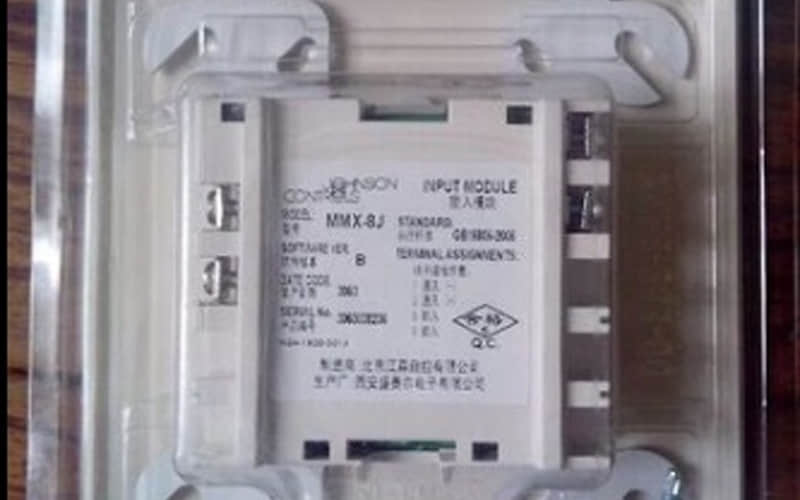
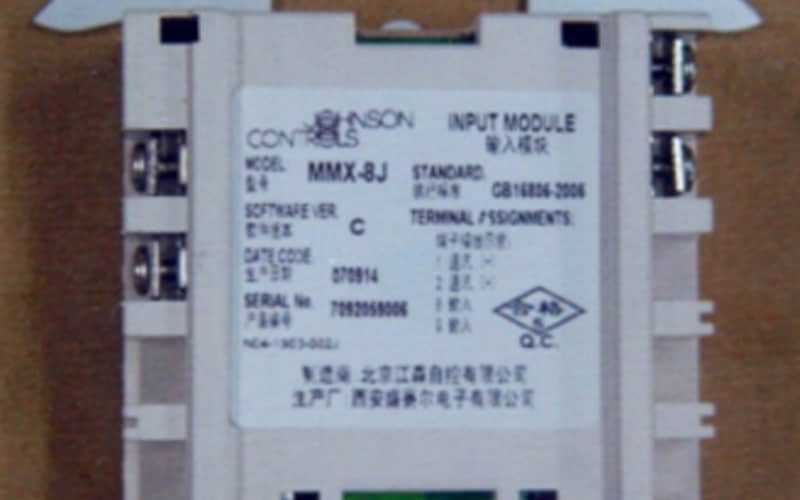
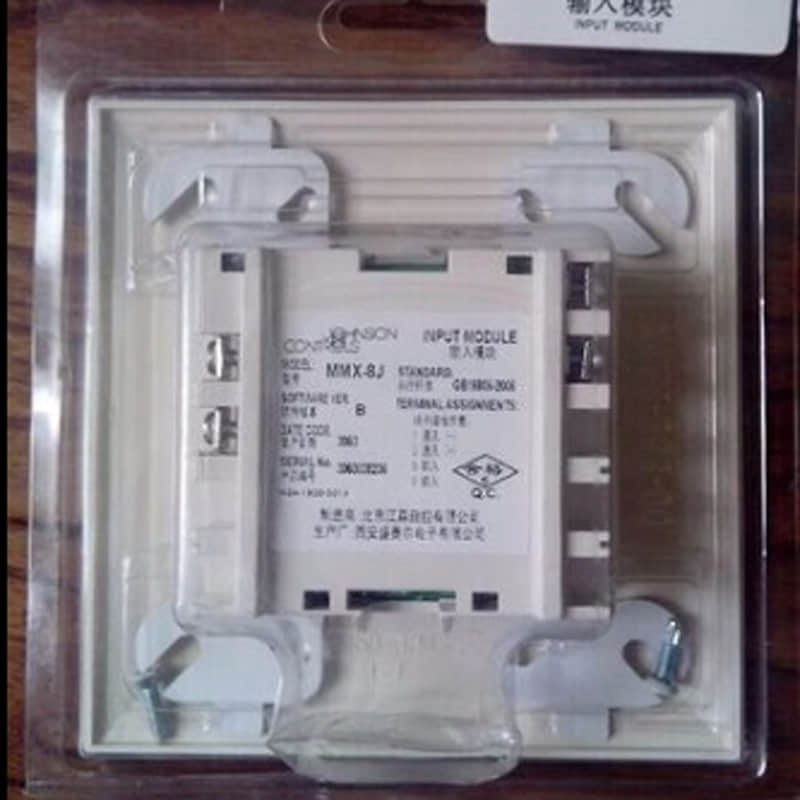
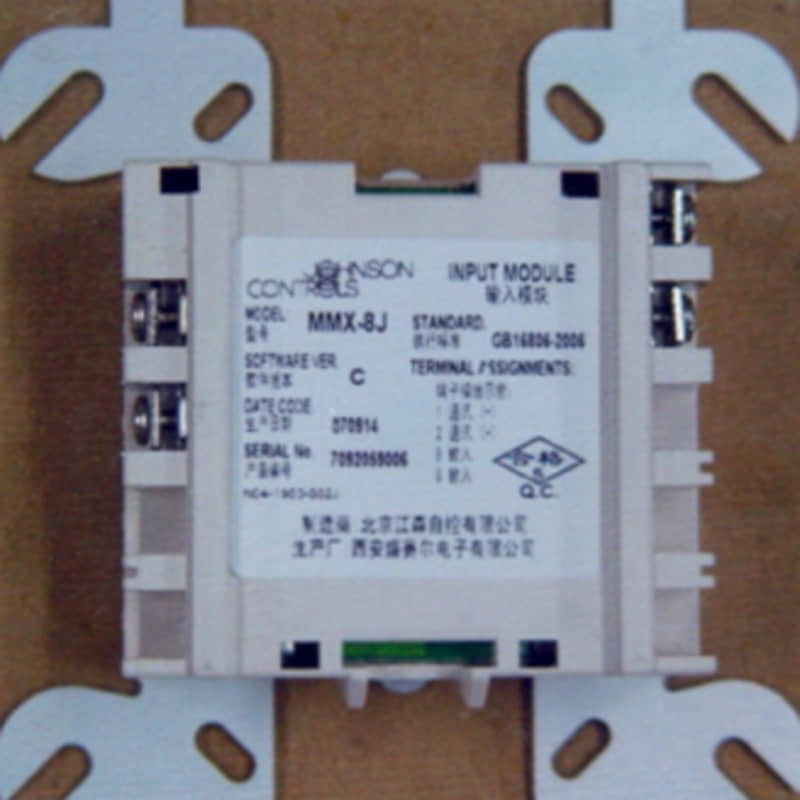
Johnson Controls MMX-8PJ Conventional Detector Interface Module Technical Guide
I. Overview
The Johnson Controls MMX-8PJ is a specialized, intelligent interface module designed to bridge conventional non-addressable detectors with modern addressable fire alarm control panel (FACP) loops. While standard intelligent detectors occupy individual communication addresses and cannot be wired in parallel, large open spaces such as corridors, warehouses, and basements often require multiple conventional devices.
The MMX-8PJ module occupies a single address on the loop bus and allows the connection of up to 25 conventional detectors (though adhering to regional electrical codes like GBJ116-88, a maximum of 10 detectors in parallel is recommended for optimal performance). During system integration, technicians frequently cross-reference specialized mounting bases and wiring accessories—such as the Johnson Controls B113-30, Johnson Controls 4683-TTM-1F, and IGC249—to ensure secure mechanical mounting, proper signal termination, and reliable loop zoning.
II. Technical Specifications
| Parameter | Specification Detail |
| Model Designation | Johnson Controls MMX-8PJ Input Module |
| Device Type | Conventional Detector Interface Module (Non-addressable zone bridge) |
| Operating Voltage | 22.2 to 25.5 VDC |
| Quiescent Current | 200 mu(LED flashing during normal polling) |
| Alarm Current | 5.1 mA (LED steady on during alarm state) |
| End-of-Line Resistance | 3.9 kOmega terminal resistor |
| External Power Supply | 16 to 28 VDC, ripple max 0.1 Vrms, 90 mA |
| Ambient Temperature Range | -10C to +60 C (14 F to 140 F) |
| Relative Humidity | 10% to 95% non-condensing |
| Physical Dimensions | 114.3 mm (H) *101.6 mm (W) * 31.75 mm (D) |
III. Key Features & Operational Benefits
Conventional Compatibility: Seamlessly integrates standard two-wire conventional detectors onto addressable SLC communication loops.
Comprehensive Line Supervision: Continuously monitors both input zone wiring status and external power supply voltage levels.
High Environmental Immunity: Engineered with robust EMI/RFI suppression to resist electrical noise in harsh industrial and commercial settings.
Simplified Wiring Terminals: Equipped with SEMS screw terminals and integrated washers for fast, secure field terminations.
Electronic Addressing & Testing: Utilizes electronic decimal address setting, features a built-in magnetic test switch, and displays clear status via dual-state LEDs (flashing green/steady red).
IV. Typical Industrial Applications
The MMX-8PJ interface module is widely deployed across life safety infrastructures where zoning flexibility is paramount:
Commercial Building Corridors: Grouping multiple smoke or heat detectors onto a single loop address.
Basements & Utility Vaults: Expanding detection coverage using economical conventional sensors.
Industrial Facilities: Interfacing specialized detection zones with central addressable fire alarm control panels.
V. Installation & Wiring Guidelines
Site Preparation: Ensure the communication loop is de-energized. Select a dry, accessible location inside an approved electrical backbox.
Hardware Integration: When installing interface modules or associated multi-zone detection lines, utilize standardized mounting accessories such as the Johnson Controls B113-30 base, Johnson Controls 4683-TTM-1F interface hardware, and IGC249 components to maintain strict wiring integrity and mechanical stability.
Loop & Power Wiring: Connect the addressable SLC bus and the external 16–28 VDC power supply to the designated SEMS terminals, maintaining proper polarity.
Zone Termination: Wire the conventional detector zone in parallel, ensuring the 3.9 kmega end-of-line resistor is correctly terminated at the final device.
Addressing & Commissioning: Set the device address using an electronic programmer, power up the system, and execute an alarm simulation test to verify zone response.
If you require official engineering documentation, wiring schematics, or bulk procurement support for the MMX-8PJ and its compatible accessories, please contact our technical support team.
Previous:IFC-6060 MCU-16B