
Previous
Next
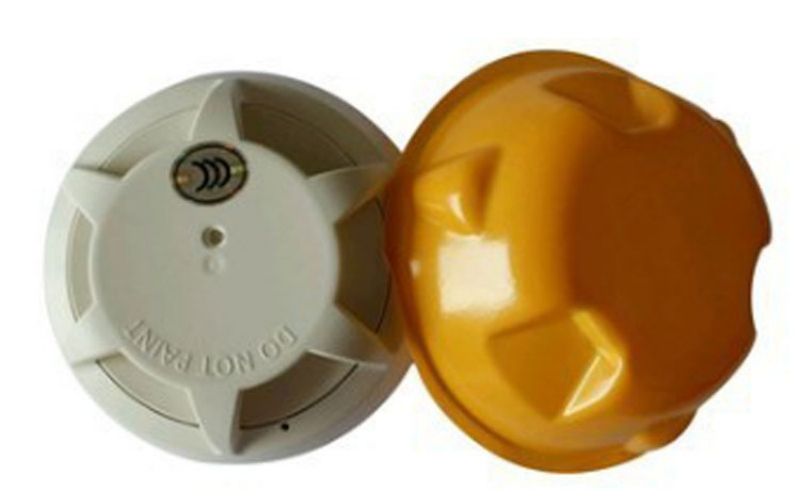
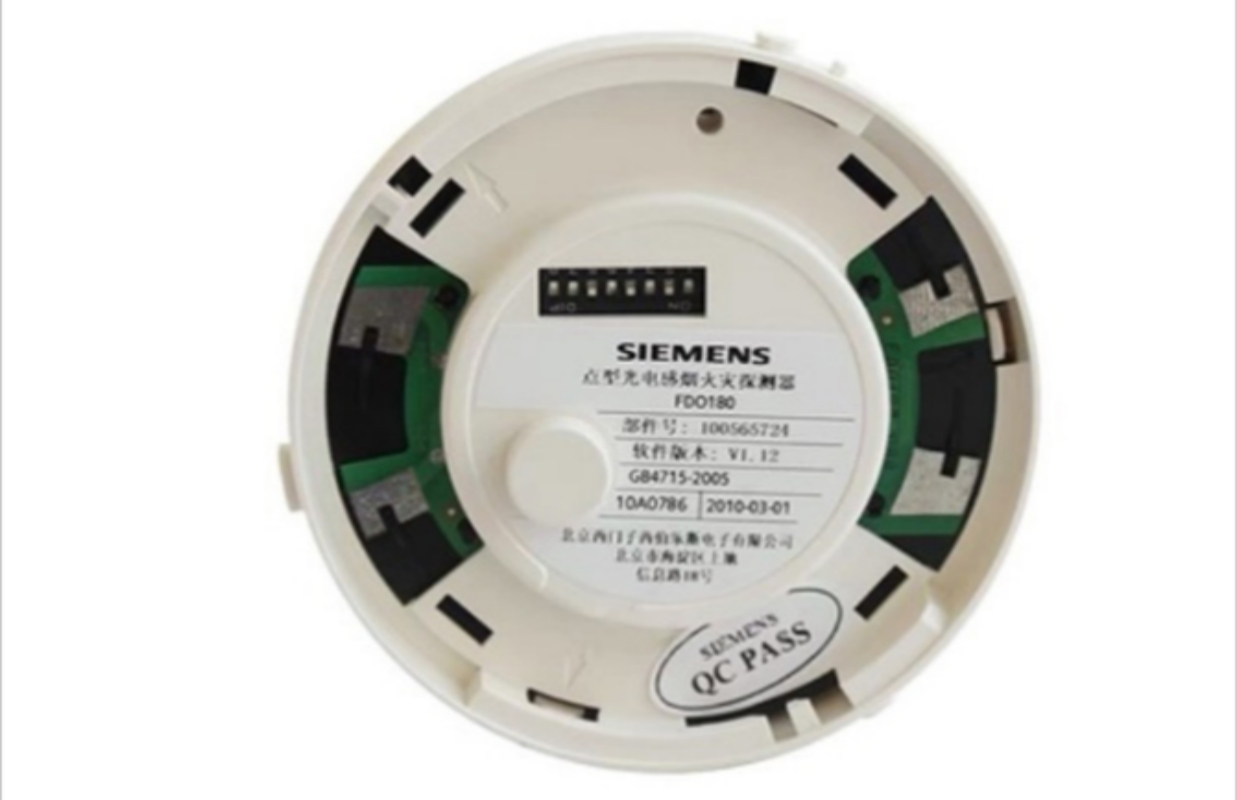
Siemens FDT180 Temperature Sensing Fire Detector
Overview:
The FDT180 temperature sensing fire detector is an upgraded product redesigned based on the BC80 fire alarm system BDS communication protocol, compatible with the BC8002 and BC002R types of fire alarm controllers. The FDT180 detector is connected to the BC80 controller via the P, S bus. Under normal conditions, the controller can monitor the detector through the P, S bus; when a specific temperature or a temperature rise rate reaches the alarm setting value, the sensor detects the fire alarm information and feeds it back to the controller through the P, S bus.
Features of Siemens FDT180 :
A. New circuit structure for differential temperature detection.
B. High stability: resistant to dust adhesion, electromagnetic interference, temperature effects, humidity, and corrosion.
C. Temperature sensing elements use imported high-precision components.
D. It is suitable for early fire detection in indoor buildings, especially in places where other types of detectors cannot be used due to the generation of smoke, dust, and exhaust gases during the working process.
E. Used in the BC80 intelligent series fire automatic alarm linkage system, installed on the BDS000 wiring base.
F. Complies with the national standard GB4716-2005 “Point Type Temperature Sensing Fire Detector.”
G. New circuit structure for differential temperature detection.
H. High stability: resistant to dust adhesion, electromagnetic interference, humidity, and corrosion.
I. Surface mounting production process, high degree of automation, and reliable quality.
Technical Parameters of Siemens FDT180:
l Operating voltage: 16~32V DC modulated
l Operating temperature: -10~+50℃
l Storage temperature: -30~+75℃
l Relative humidity: ≤95% (40±2℃) relative humidity
l Monitoring current: ≤1mA (24V)
l Alarm current: ≤3mA (24V)
l Electromagnetic interference resistance: 10V/m 1MHz~1GHz
l Weight: 0.067Kg
l Confirmation light: Solid on during alarm
Application of Siemens FDT180:
1. They are used for early fire detection in indoor buildings, mainly where other types of detectors cannot be used due to the generation of smoke, dust, and exhaust gases during the working process. The controller handles the alarm and fire-fighting linkage.
2. Installed on the FDB180 wiring base, connected to the BC80 series controller via the F-Bus.
3. Use the detector’s coding switch to set the address code (the eighth bit must be set to zero but cannot be all zeros), which should be consistent with the coding in the engineering software.
Installation of Siemens FDT180 :
l During construction, the wiring base is first installed and completed.
l Set the detector coding switch address code according to the engineering documents.
l Align the detector’s positioning hole with the base’s positioning hole and insert it into the base.
l Rotate the detector clockwise until it stops.
Removal of Siemens FDT180:
l Rotate the detector counterclockwise until it stops.
l Pull out the detector to remove it.
Maintenance and Storage:
Replace the detector promptly if damaged, and store long-term spare detectors in sealed
packaging.
Regularly perform temperature rise tests once a year.
For the previous part, please refer to the link: Siemens FDT181C