
Previous
Next
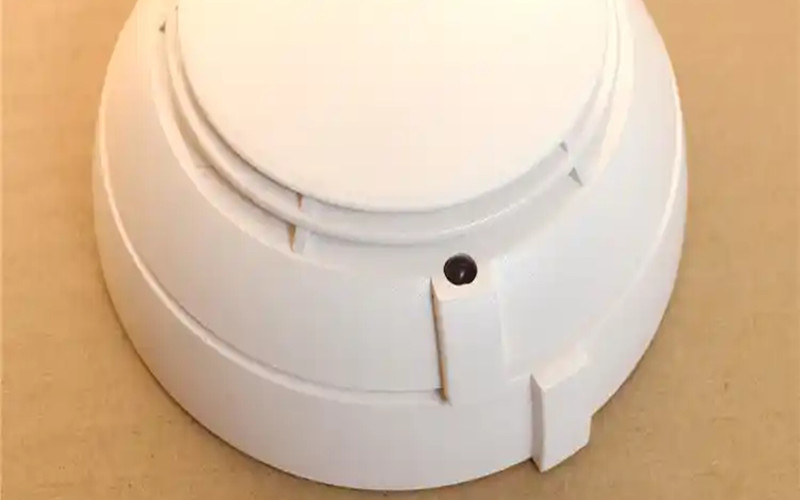
Siemens OP820 Interactive Intelligent Photoelectric Smoke Detector | Datasheet & Overview
Manufacturer: Siemens | Model / Part Number: OP820
Device Type: Interactive Intelligent Photoelectric Smoke Detector / Fire Alarm Sensor
Status: 100% Original & Brand New Available for Global Shipping
Product Overview & Working Principle
The Siemens OP820 is an advanced, interactive, and intelligent photoelectric smoke detector engineered for the rapid and reliable detection of fire signatures in commercial and industrial environments.
Advanced Optical Sensing: Features a state-of-the-art photoelectric smoke sensing structure designed to respond consistently to diverse types of fire smoke, including black smoke.
Microprocessor-Based Intelligence: Equipped with a high-performance microprocessor for advanced signal processing, high reliability, and an interactive intelligent fire analysis mode.
Adaptive Addressing: Utilizes adaptive addressing technology, eliminating the need for manual address switches and preventing human configuration errors.
Short-Circuit Protection: Designed with a ring-shaped two-bus system featuring built-in short-circuit isolation switches on each detector. In the event of a short circuit, the isolators on either side automatically disconnect to maintain regular system operation while identifying the fault point.
Enhanced Reliability: Operates with mutual self-check verification between the controller and the detector. Even in the event of a controller circuit or microprocessor failure, it can still transmit emergency alarms.
Application Scenarios :
The Siemens OP820 is widely deployed for early fire detection within building interiors, triggering alarms and activating fire-fighting linkages through the master controller. It is exceptionally suited for:
Commercial office buildings and industrial facilities
Environments prone to fires producing dense or black smoke
Areas requiring high immunity to dust adhesion, temperature fluctuations, humidity, and electromagnetic interference
Technical Specifications of Siemens OP820:
| Technical Parameter | Specification Detail |
| Manufacturer | Siemens |
| Model / Part Number | Siemens OP820 |
| Operating Voltage | 21.2 – 31.2 VDC |
| Static Current | <250UA |
| Confirmation Light Current | 15mA |
| Operating Temperature | -25°C to +70°C |
| Storage Temperature | -30°C to +75°C |
| Operating Humidity | <95% (40 +-2°C) |
| Interference Resistance | Electromagnetic Interference Resistance: 50V/m |
| Protection Rating | IP44 |
| Colour Code | RAL 9010 |
| Dimensions / Weight | 115 * 51(mm) / 0.170 Kg |
| Loop & Capacity | Ring-shaped two-bus system; up to 128 detectors per loop (Max wiring length: 2000 meters) |
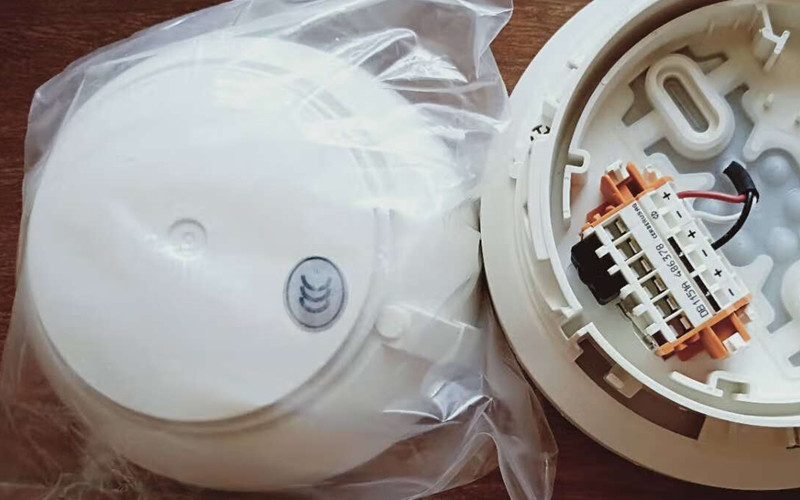
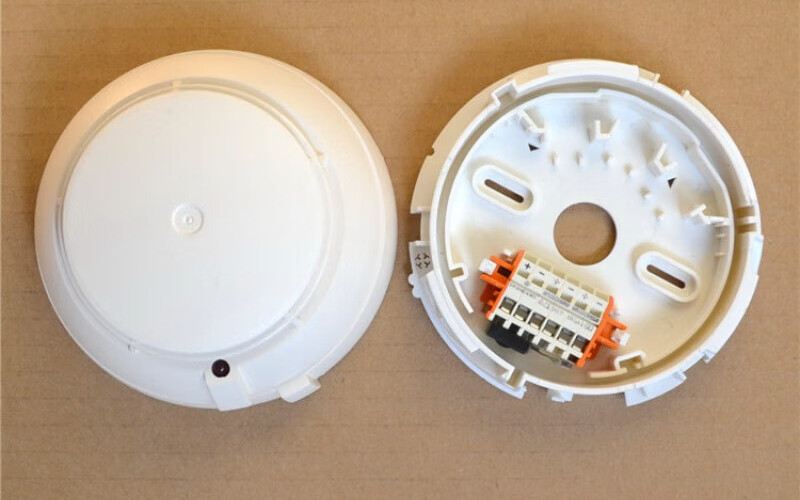
| Base Compatibility | Installed on the SO820 base |
| Standards & Compliance | GB4715, GB50116 standards compliance |
Installation Guide: The detector mounts directly onto the SO820 base, linking to the controller through the base architecture. Infrared light emitted by the internal diode scatters upon encountering smoke particles, where the received scattered light intensity directly correlates to smoke concentration.
Professional Maintenance: Routine maintenance should be conducted strictly by qualified professionals. Procedures include verifying structural integrity, cleaning contact points, checking connection security, and executing necessary calibrations or component replacements per manufacturer guidelines.
System Compatibility: Fully compatible with standard Siemens fire alarm control systems and integrated seamlessly with other Siemens industrial automation solutions.
Frequently Asked Questions (FAQ)
Q: Does the Siemens OP820 require manual address switches?
A: No. The OP820 uses adaptive addressing technology, which removes the need for physical address switches and prevents human configuration errors.
Q: What happens if there is a short circuit in the detection loop?
A: Each OP820 features a built-in short-circuit isolator. If a short occurs, the isolators on both sides automatically isolate the affected segment, keeping the rest of the loop running normally while pinpointing the fault.
Q: Are your Siemens OP820 detectors 100% original and brand new?
A: Yes, we supply genuine, factory-original Siemens fire safety components backed by reliable global shipping.
Need a Quote or Bulk Order for Siemens OP820?
Looking for competitive pricing, stock availability, or lead times for the Siemens OP820 or compatible components like the SO820 base?
[Request a Fast Quote Today] or contact our technical sales engineers for professional support and immediate project fulfillment.
For the previous part, please refer to the link: Siemens OP620