
Previous
Next
WAGO 750-301 PROFIBUS DP/FMS Fieldbus Coupler: Complete Technical & Selection Guide
General Description & Architecture
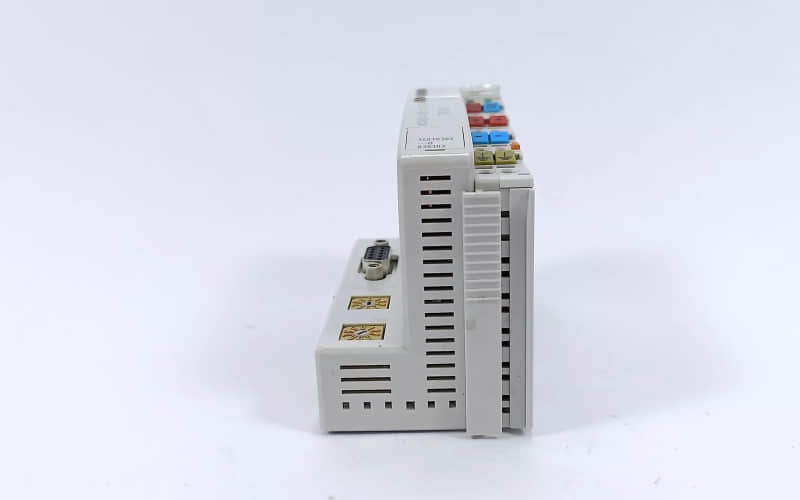
The WAGO 750-301 is a high-performance PROFIBUS DP/FMS Fieldbus Coupler engineered to connect the modular WAGO I/O SYSTEM as a slave device to the PROFIBUS fieldbus.
A primary advantage of the 750-301 is its autonomous configuration capability. The coupler seamlessly detects all connected digital, analog, and specialty I/O modules upon startup, automatically compiling them into a cohesive local process image. This decentralized approach optimizes master-slave communication cycles across complex manufacturing and process control lines.
Technical Specifications of the WAGO 750-301
Review the core physical and network parameters of the 750-301 to ensure compatibility with your existing PLC infrastructure:
Fieldbus Protocol: PROFIBUS DP / FMS (up to 1.5 MBd)
Node Capacity: Maximum of 96 nodes utilizing network repeaters
I/O Point Capacity: Up to approximately 6,000 I/O points (governed by the master controller capabilities)
Transmission Medium: Copper cable conforming to EN 50170 standards
Segment Distance: 200m to 1200m (variable depending on configured baud rate and cable specs)
Baud Rate Range: 9.6 kBaud to 1.5 MBd
Typical Transmission Time: ~2.7 ms (tested with 10 nodes, 32 inputs / 32 outputs per node at 1.5 MBd with digital signals); maximum 17.9 ms
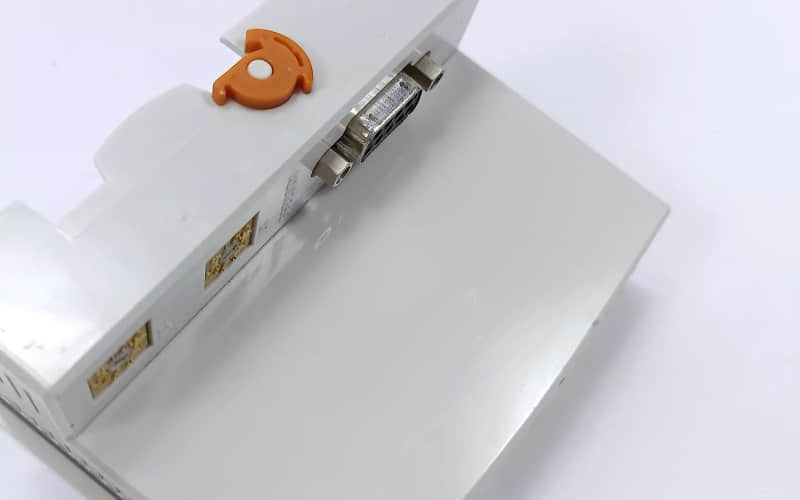
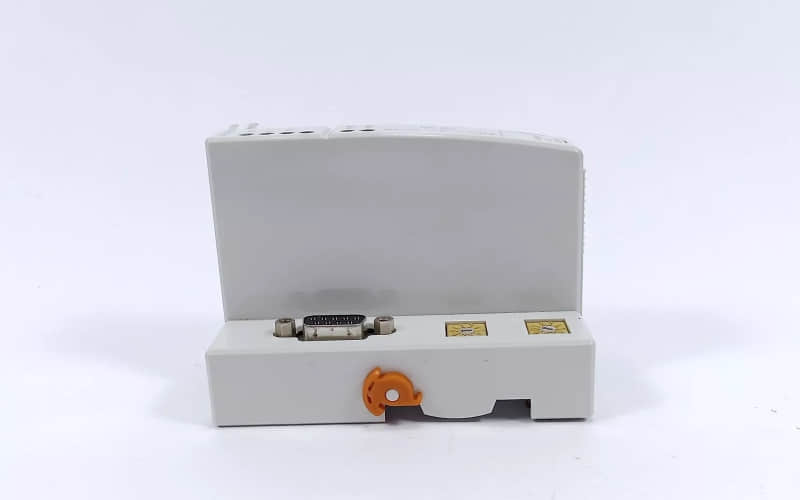
Physical Interface: 1 x D-Sub 9 socket for bus coupler connection
Core Functional Features
Auto-Configuration Engine: Automatically maps a mixed configuration of analog, digital, and specialty I/O modules into a unified data structure.
Flexible Data Mapping: Handles analog and specialty module data via word or byte blocks, while processing digital data efficiently on a bit-by-bit basis.
Master-Side Storage: Allows the complete local process image to be stored and managed directly within the designated Master control unit (PLC, industrial PC, or NC).
Dual Data Zones: Splits the local process image into distinct input and output zones for organized telegram handling.
Bidirectional Communication: Facilitates real-time transmission of field data to the controller while immediately dispatching command feedback back to the field devices via PROFIBUS.
Practical Applications in Industrial Automation
The WAGO 750-301 is widely deployed across diverse sectors requiring robust, deterministic fieldbus communication:
Discrete Manufacturing & Assembly Lines: Integrating localized sensor/actuator clusters back into Siemens S7 or legacy PROFIBUS masters.
Process Control Environments: Managing distributed monitoring systems where data integrity and response predictability are critical.
Retrofit & Expansion Projects: Serving as a direct drop-in replacement or expansion node for established PROFIBUS DP architectures using modular WAGO I/O blocks.
Professional Installation & Commissioning Guidelines
Proper physical deployment of the 750-301 ensures long-term signal stability and prevents communication dropouts:
DIN-Rail and Module Mounting: Secure the coupler onto a standard carrier rail alongside your required WAGO I/O modules, ensuring physical bus contacts lock firmly into place.
Bus Interfacing: Connect the PROFIBUS network cable using the standard D-Sub 9 socket interface. Ensure proper bus termination resistors are active at both physical ends of the line.
Addressing & Configuration: Set the station address via hardware DIP switches or software configuration tools as outlined in the official WAGO manual. Verify that baud rate parameters match the master controller settings before powering the rack.
Related Part Numbers & Series Alternatives
To assist with system expansion or alternative engineering designs, consider these complementary models within the WAGO PROFIBUS series:
WAGO 750-303: Fieldbus Coupler PROFIBUS DP; 1st Generation variant supporting up to 12 MBd communication speeds.
WAGO 750-333: Advanced Fieldbus Coupler featuring extended functions and enhanced diagnostic capabilities for PROFIBUS DP networks.
Previous: Wago 750-1420 PLC Digital Input Module, 4-Channel