
Previous
Next
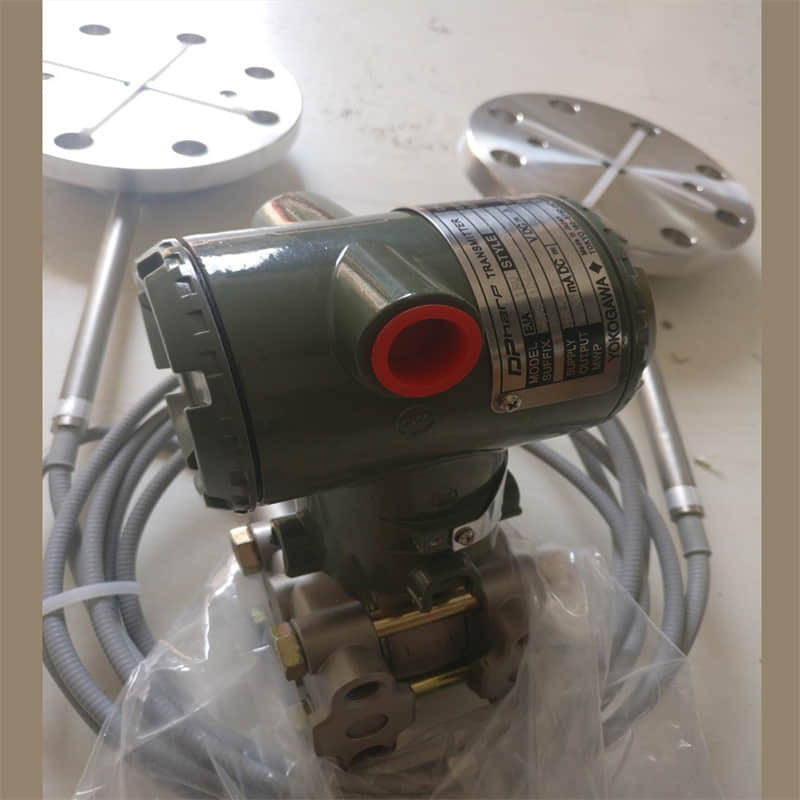
Yokogawa EJA118W Diaphragm-DifferentialTransmitter

1.General Description
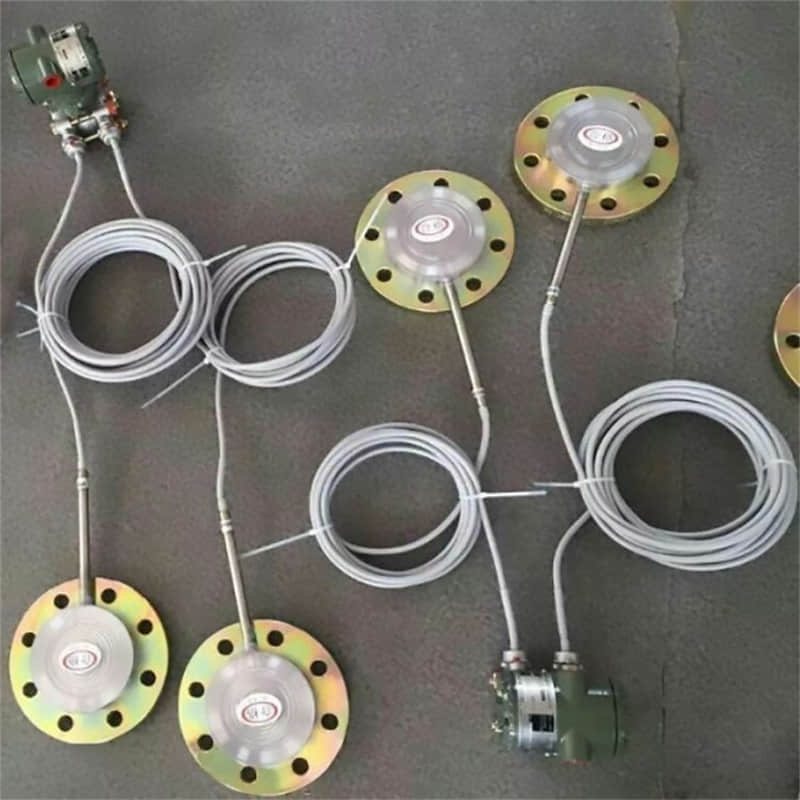
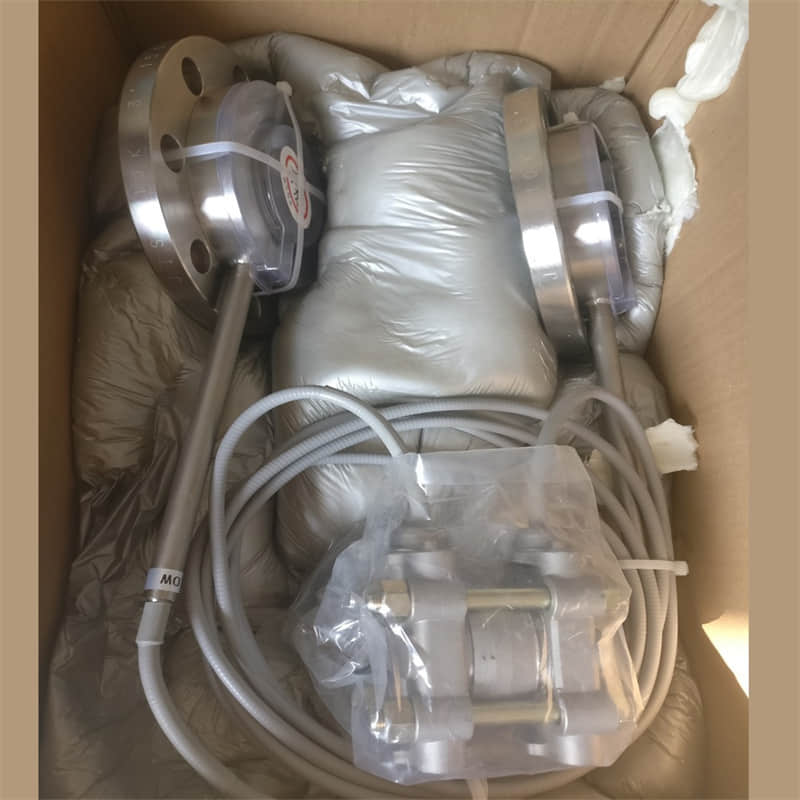
The Yokogawa EJA118W Diaphragm-Differential Transmitter is a reliable device. The design measures pressure accurately and steadily. This transmitter works well in tough industrial settings. This transmitter is part of Yokogawa’s advanced DPharp family, ensuring exceptional performance and long-term stability.
Engineers designed the EJA118W to measure liquid, gas, and steam flow rates. It also monitors liquid level, density, and differential pressure in process systems. The diaphragm seal prevents the process medium from entering directly into the pressure-sensing unit, ensuring durability, safety, and resistance to corrosion or contamination.
The EJA118W is part of the Yokogawa Diaphragm Sealed Differential Pressure Transmitter line. It is ideal for oil and gas, petrochemical, power generation, and water treatment industries. These industries need accuracy, reliability, and a strong design.
2.How to Zero a Yokogawa Pressure Transmitter
To zero a Yokogawa pressure transmitter, vent both high- and low-pressure ports to atmosphere. Power up the transmitter and allow it to stabilize
Using a HART communicator or local display, access the zero trim or zero adjustment function. Execute the zero trim to set the output signal to 4 mA (zero differential pressure). Verify that the reading returns to zero after completion. This ensures an accurate baseline calibration for reliable pressure measurement.
3. How Accurate is Yokogawa Pressure Transmitter?
Yokogawa pressure transmitters are renowned for their high accuracy and long-term stability. Models like the EJA118E and EJA118W provide accuracy of ±0.2% of span. Premium DPharp models reach an accuracy of ±0.04%.
The digital silicon resonant sensor delivers minimal drift, excellent linearity, and fast response times. These transmitters give accurate and reliable measurements for liquids, gases, and steam. They are perfect for safety-critical and high-performance industrial settings.
4. Yokogawa EJA118W Technical Specifications
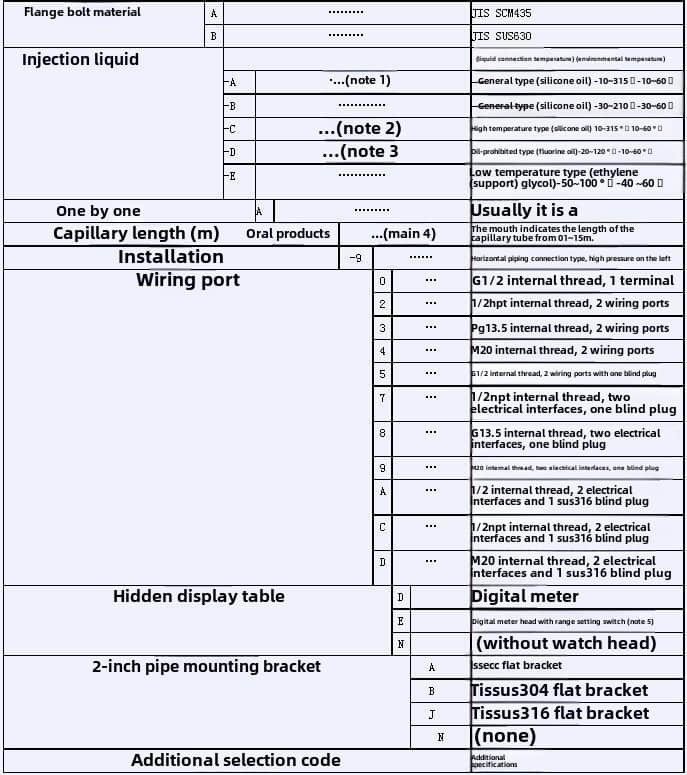
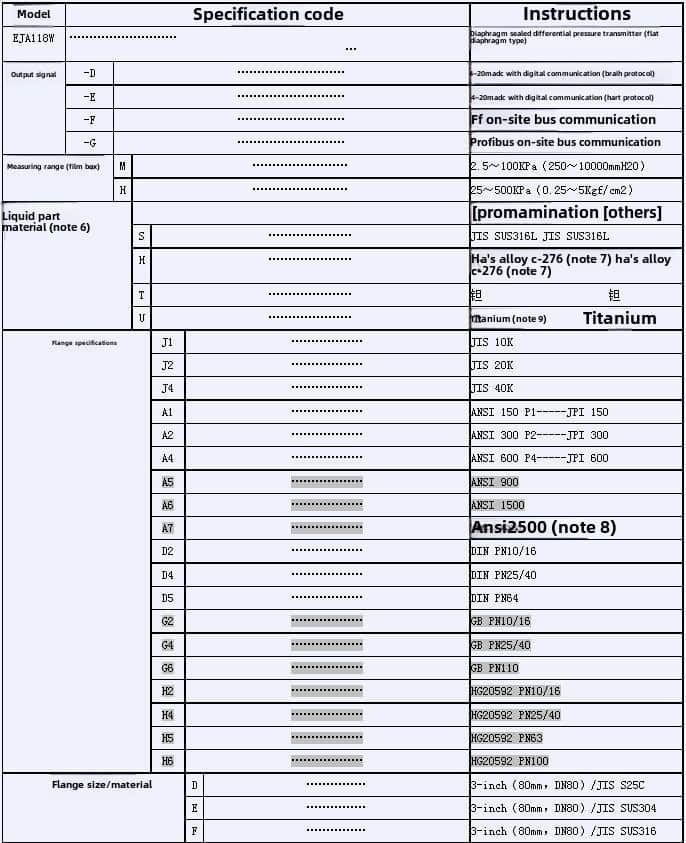
l Model: EJA118W
l Type: Diaphragm-Sealed Differential Pressure Transmitter
l Measuring Range: 2.5 to 100 kPa (250 to 10,000 mmH₂O)
l Accuracy: ±0.2% of span
l Response Time: 700 ms
l Output Signal: 4 to 20 mA DC with HART communication or FOUNDATION Fieldbus
l Power Supply Voltage: 10.5 to 32 VDC (9 to 32 VDC for FOUNDATION Fieldbus)
l Operating Temperature Range: -40°C to +80°C
l Maximum Working Pressure (MWP): Up to 2,300 psi
l Electrical Connection: NPT female connection for secure, industry-standard wiring
l Seal Type: Diaphragm sealed design prevents process medium intrusion
l Process Applications: Suitable for differential pressure, flow, and level measurements
5.Yokogawa EJA118W Features
l DPharp Sensor Technology: Provides exceptional precision, rapid response, and superior long-term stability.
l Diaphragm-Sealed Construction: Protects the sensing element and prevents process medium from contacting the transmitter internals.
l Differential Pressure Measurement: Ideal for flow rate, liquid level, density, and pressure applications.
l Advanced Diagnostics: Monitors transmitter health and provides real-time maintenance alerts.
l Electrical Connection: Supports NPT female fittings for safe and easy installation.
l Flexible Output Options: 4–20 mA DC analog output with digital HART communication.
l Reliable Performance: Designed for intrinsically safe, explosion-proof environments.
6.Applications
A. Oil and Gas Pipelines – For flow and differential pressure monitoring
B. Petrochemical Processing – For accurate liquid and gas control
C. Power Generation Facilities – Steam and feedwater measurement
D. Water and Wastewater Treatment Plants – Level and flow measurement
E. Pharmaceutical Manufacturing – Sanitary, high-accuracy monitoring
7.Installation Procedure Step by Step
1. Preparation
Verify installation area is clean and free of debris.
Review the Yokogawa EJA118W user manual and datasheet before setup.
Ensure proper flange size, seal type, and electrical connection (NPT female).
2. Mounting the Transmitter
Select an appropriate installation point based on process conditions.
Secure the transmitter with mounting brackets and ensure alignment.
3. Connecting Pressure Lines
Connect high and low pressure sides to the appropriate process points.
Confirm tight sealing of all fittings to avoid leaks.
Ensure diaphragm seals are clean and properly oriented.
4. Electrical Connections
Connect the power supply (10.5–32 VDC) to the terminal block.
Verify polarity and ensure proper grounding for safety compliance.
5. Configuration
Power up the transmitter and use a HART communicator or local interface for setup.
Configure range, output signal (4–20 mA), and communication parameters.
6. Testing
Apply known pressure inputs to verify accuracy.
Confirm the output signal corresponds to the applied pressure.
7. Final Checks
Inspect for leaks and confirm tightness of NPT connections.
Verify environmental sealing and proper transmitter orientation.
8.Yokogawa EJA118W Related Part Numbers
l EJA118E: For alternate measurement ranges and capillary configurations
l EJA110A: Differential pressure transmitter variant for general applications
l EJA115E: Specialized low-flow transmitter for precision control
Yokogawa YTA110 Temperature Transmitter
Yokogawa EJA220A Flange Installation Pressure Transmitter