
Previous
Next
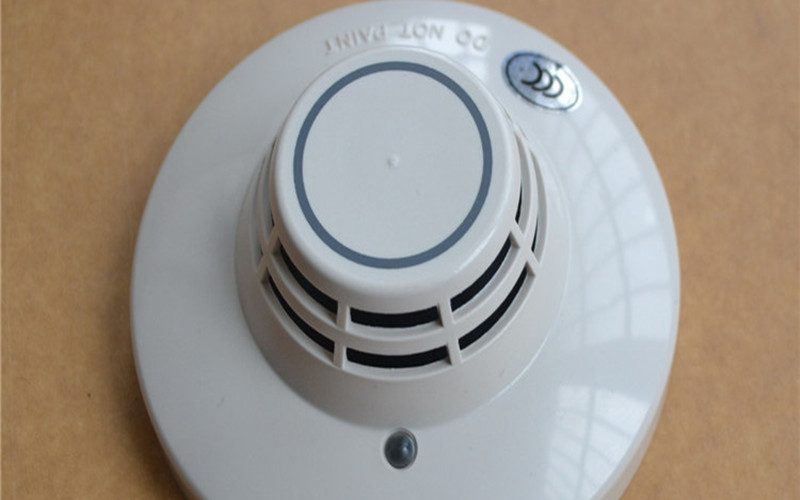
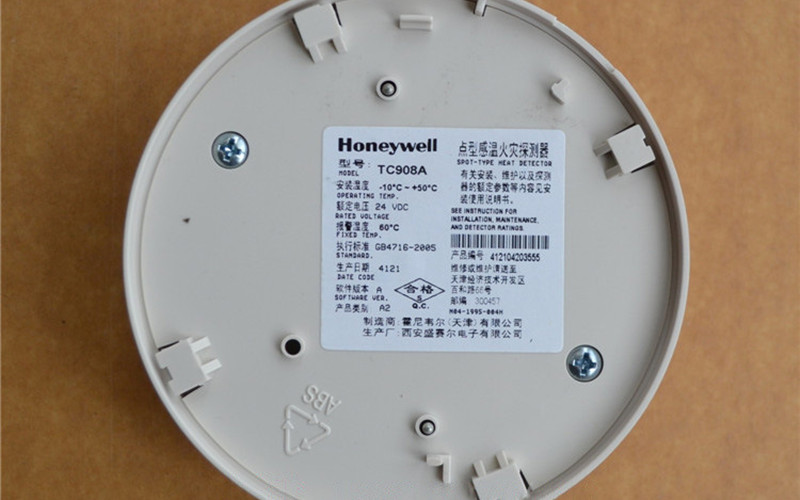
Honeywell TC908A point type thermal fire detector
1. General Description
The Honeywell TC908A is a reliable fire detector. People also call it the Honeywell TC908A point-type thermal fire detector. This device gives early warnings and detects fires effectively. It works well in many different situations.
This advanced heat detector continuously monitors temperature changes and triggers alerts when high temperatures indicate a potential fire hazard. The unit works reliably and responds quickly. An important part of fire safety equipment systems exists. These systems may include sprinkler systems, fire extinguishers, and clean agents.
Its compact design makes installation easy. It also integrates well with fire alarms, fire sprinkler systems, and fire suppression networks. Honeywell’s engineering excellence ensures both efficiency and safety in diverse industrial, commercial, and residential settings.
Other related models and references include Honeywell TC809A1059, TC-84A-8480, HT-908, Honeywell TC-84A-8139, TC09PEU, and TC2.0 specifications. Engineers optimise each model for specific fire detection or environmental conditions to meet National Fire Protection Association (NFPA) standards.
Honeywell creates advanced devices. Some of these devices include:
- Smartline ST800 pressure transmitters. These devices ensure full integration in fire and industrial safety solutions.
These systems work well with fire detection, sprinkler heads, and water-based systems. They help put out fires and improve safety in the facility.
2. How Long Do Honeywell Smoke Detectors Last?
Honeywell smoke detectors typically last 8 to 10 years, depending on environmental factors and usage. Over time, sensors gradually lose sensitivity, reducing their ability to detect smoke and fire effectively.
To stay safe and follow NFPA standards, you should replace detectors when they reach the end of their service life. This is important even if they seem to work fine.
Many Honeywell devices feature built-in end-of-life indicators, helping users schedule timely replacements. Regular maintenance—including cleaning, testing, and battery inspection—ensures dependable fire safety protection for the long term.
3. How to Troubleshoot a Honeywell Thermostat
To troubleshoot, first confirm the device has power: check the breaker or fuse, or replace batteries if necessary. Verify HVAC connections, and ensure the mode and temperature settings are correct. Inspect for dust accumulation, check wiring, and review any error codes displayed.
For Honeywell TC500 or other smart thermostats, resetting the network often resolves connectivity issues. If problems persist, consult the Honeywell support centre for model-specific guidance. Proper troubleshooting ensures energy efficiency and reliable operation, even in environments using evaporative air coolers or other climate systems.
4. How to Reset a Honeywell Wireless Sensor
To reset the sensor:
Remove batteries for about 30 seconds.
Reinsert them and press the reset button until the LED blinks.
Reconnect using your thermostat or control panel.
Always review the user manual for model-specific instructions. This method applies to various Honeywell fire safety and security devices, including the Honeywell TC908A and TC810N1013. Proper resetting helps restore normal function in interconnected fire alarm and smoke detection systems.
5. Technical Specifications of Honeywell TC908A
l Type: Heat Detector
l Operating Voltage: 15 to 32 VDC
l Current Draw: 20 mA (max)
l Temperature Range: 32°F to 120°F (0°C to 49°C)
l Humidity Range: 10% to 93% (non-condensing)
l Dimensions: Ø 102 mm × 50 mm
l Weight: 0.4 lbs (0.18 kg)
l Compatibility: Works with XLS900, XLS3000, and XLS1000 fire alarm systems
6. Detailed Features
The Honeywell TC908A offers:
A. Advanced heat detection technology for early fire hazard identification and prevention.
B. Compact design for versatile indoor or industrial installations.
C. Dual LED indicators for clear status and alarm visibility.
D. Seamless compatibility with modern fire sprinkler systems, sprinkler heads, and CO₂ (carbon dioxide) fire suppression systems.
E. Integration with clean agents and water-based systems for complete fire suppression capability.
F. Energy-saving performance when paired with Honeywell evaporative air coolers, especially in dry climates.
7. Applications of Honeywell TC908A
A. Commercial Buildings: Offices, retail stores, and public spaces where fire safety is vital.
B. Industrial Facilities: Enhances protection in manufacturing plants and warehouses when combined with fire extinguishers, CO₂ systems, and sprinkler networks.
C. Residential Complexes: Offers reliable protection and quick integration with smoke detectors and fire alarm panels.
D. Educational Institutions: Ensures safe evacuation and timely alerts in schools and universities.
E. Critical Infrastructure: Supports agent fire suppression systems, clean agent systems, and fire sprinkler systems to extinguish fires effectively.
8. Installation of Honeywell HT-908
The HT-908 and TC908A share a compact, easy-to-mount design. Install the detector on approved mounting boxes or ceiling surfaces following local fire safety codes. Ensure alignment with NFPA installation standards for heat detectors and related fire safety equipment to achieve long-term reliability and efficient suppression performance.
9. Related Part Number
l Honeywell TC908B Heat Detector
l Honeywell TC909A Heat Detector
l Honeywell TC809A1059
l Honeywell TC-84A-8480
l Honeywell TC-84A-8139
l Honeywell TC09PEU
l Honeywell TC2.0
These models work with fire detection, sprinkler, and suppression systems. They quickly find, control, and put out fires. This meets the highest standards for fire safety and reliability.