
Previous
Next
Yokogawa EJA118E Diaphragm-Pressure Transmitter
1.General Description
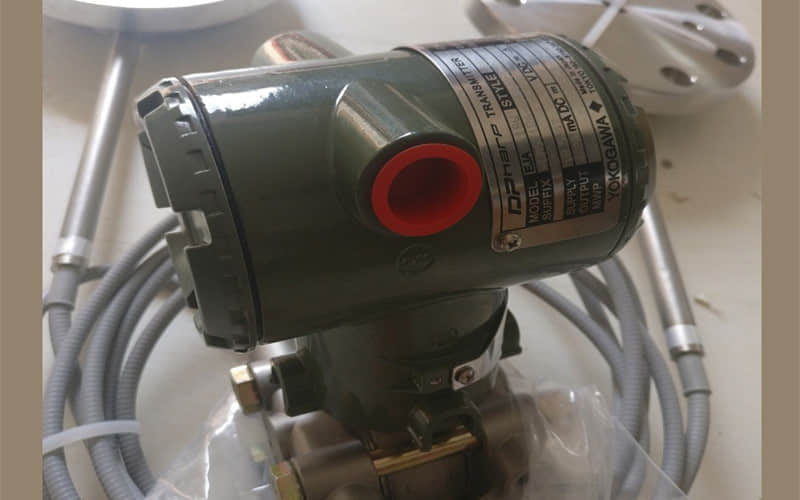
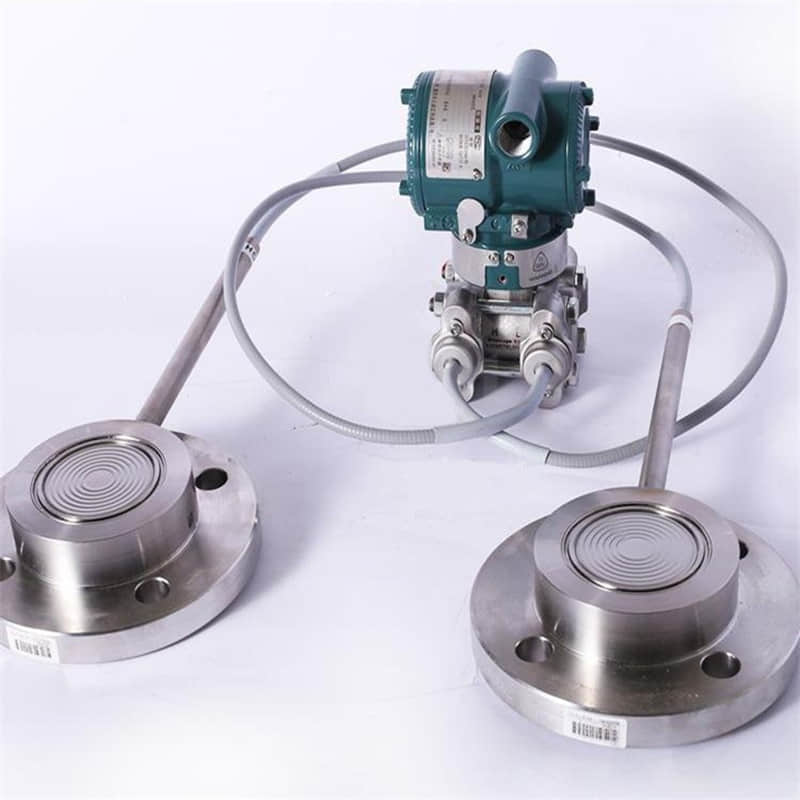
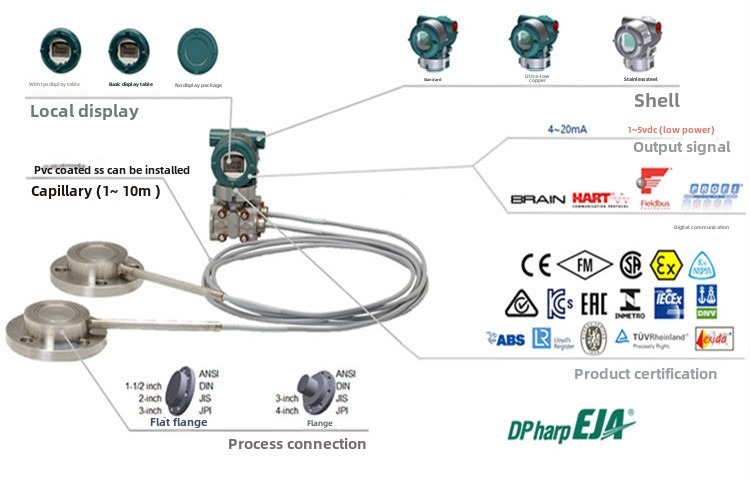
The Yokogawa EJA118E is a special device. It measures the flow and pressure of liquids, gases, or steam. This model belongs to Yokogawa’s advanced DPharp series, offering superior reliability, stability, and performance even under high-pressure and harsh environmental conditions.
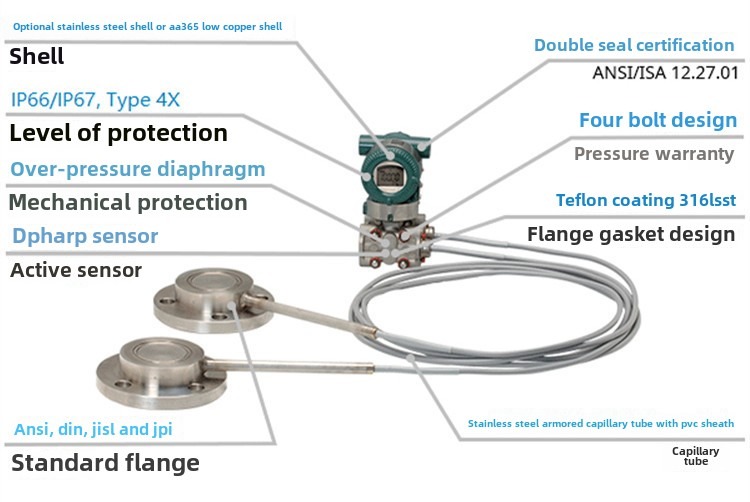
Its diaphragm seal system stops the process medium from entering the pressure sensor. This protects against corrosive, thick, or hot fluids. The EJA118E is SIL2 certified.
It is also ATEX intrinsically safe and explosion-proof. This ensures safe and reliable operation in important industrial settings. These include oil and gas, petrochemical, power generation, and water treatment facilities.
2. Yokogawa EJA118E Technical Specifications
l Model: EJA118E
l Type: Diaphragm-Sealed Differential Pressure Transmitter
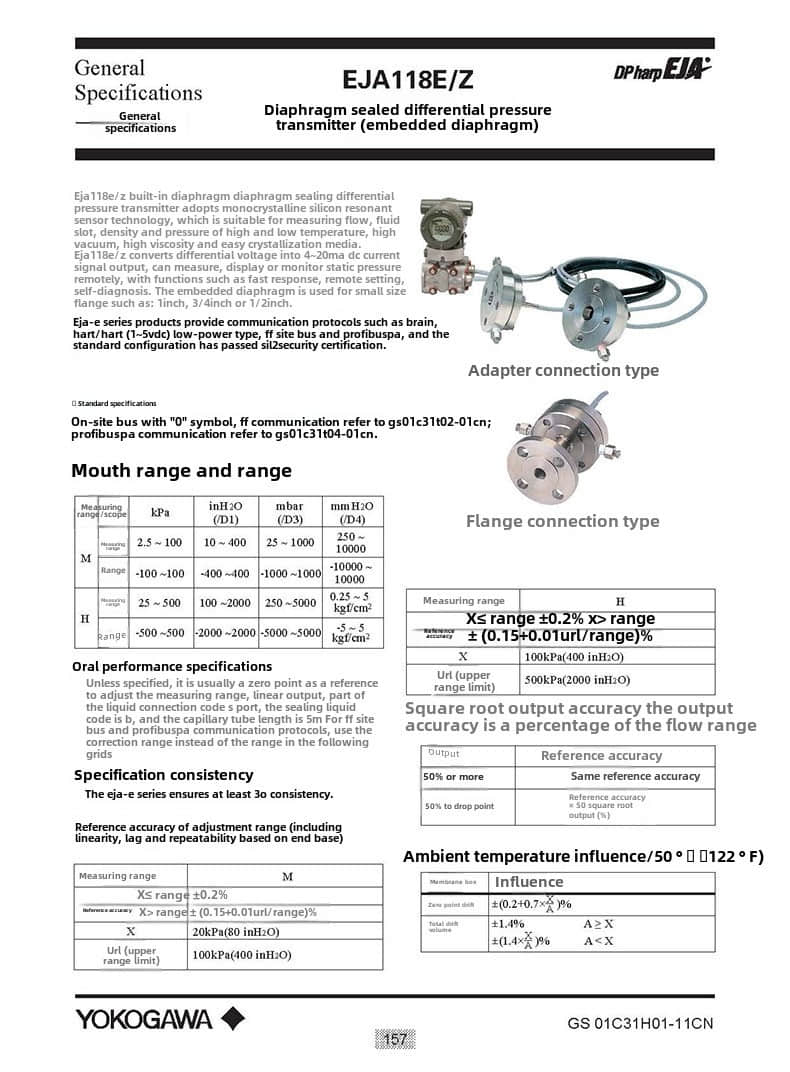
l Measuring Range: -100 kPa to +100 kPa (varies by configuration and capillary length)
l Accuracy: ±0.2% of span
l Response Time: 200 ms
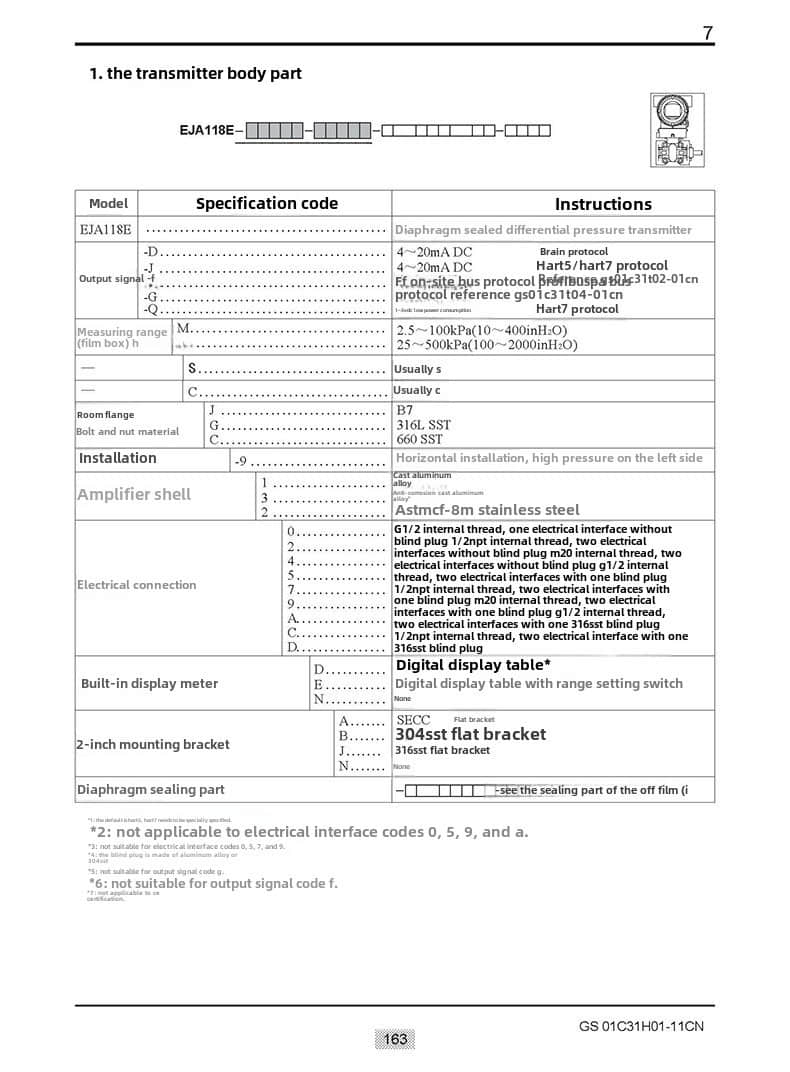
l Output Signal: 4 to 20 mA DC with HART communication (HART 5 / HART 7 compatible)
l Transmitter Power Supply Voltage: 10.5 to 32 V DC (for intrinsically safe type)
l Maximum Working Pressure (MWP): Up to 2,300 psi
l Applicable Standards: IEC 61000-4-4, IEC 61000-4-5
l Surge Withstand Capability: 6000 A (1×40 µs) repeating 1000 A (1×40 µs) 100 times
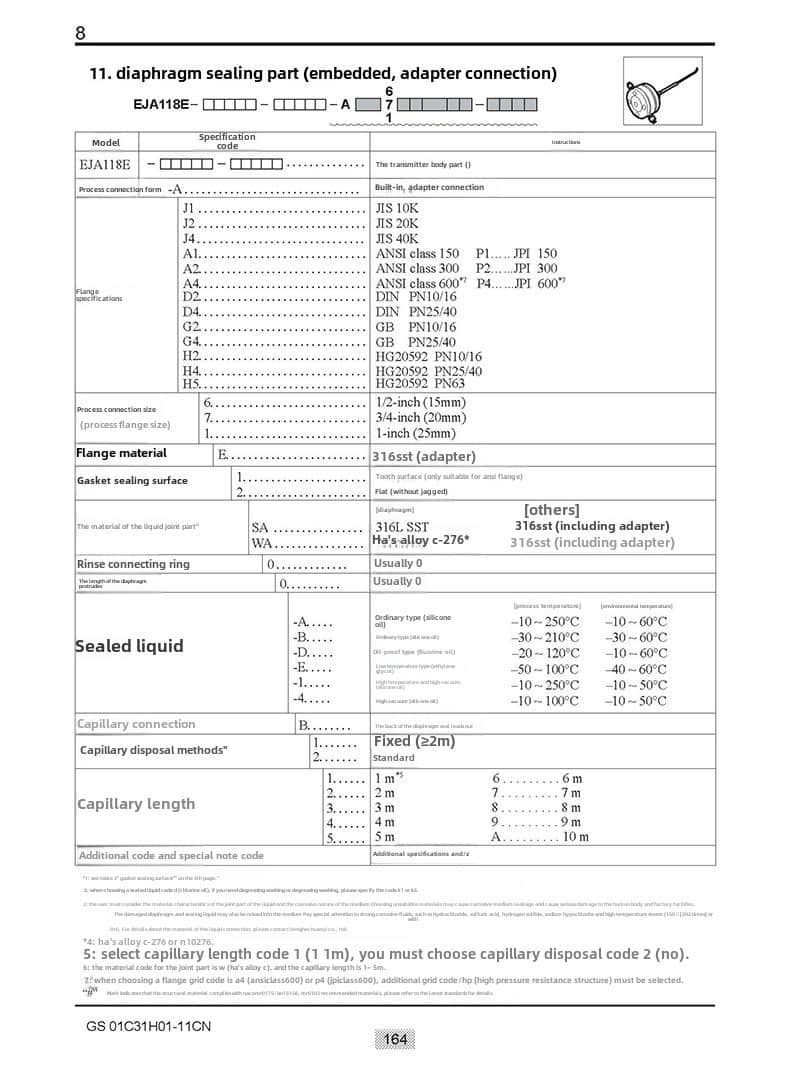
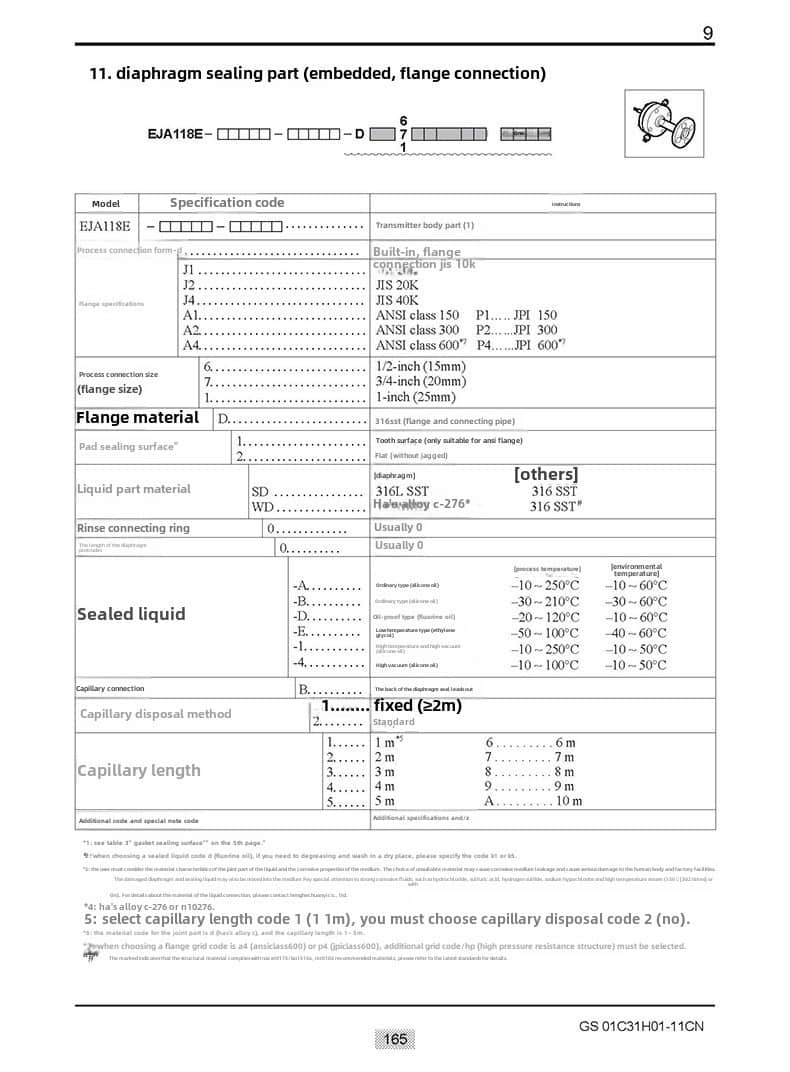
l Process Connection Size: 3-inch (80 mm) process flange
l Flange Material: Available in stainless steel, Hastelloy, or selected wetted parts material as specified
l Capillary Length: Configurable according to installation and temperature requirements
l Gasket Contact Surface: Smooth or serrated finish for reliable sealing
l Diaphragm Type: Flush type; optional configurations for side-mounted or remote diaphragm seals
l Amplifier Housing Code: Aluminum or stainless steel, explosion-proof construction
l Output: 20 mA DC nominal
l Operating Temperature Range: -40°C to +80°C
3.Features
A. DPharp Sensor Technology
Utilizes Yokogawa’s digital silicon resonant sensor for high precision, long-term stability, and rapid response.
B. Diaphragm-Sealed Design
Prevents the process fluid from contacting internal sensing elements. Ideal for corrosive or high-viscosity media and helps detect a broken diaphragm condition.
C. Advanced Diagnostics
Provides real-time monitoring, including self-diagnostics for detecting abnormalities such as seal degradation or overpressure events.
D. Active Capillary Fill Fluid Density Compensation
Ensures consistent measurement accuracy regardless of temperature or pressure variations along the capillary line.
E. Safety and Compliance
Certified to SIL2 standards for functional safety and compliant with ATEX requirements for intrinsically safe operation.
F. Flexible Configuration
Selectable wetted parts materials, flange materials, and capillary lengths for different process conditions.
4.Yokogawa EJA118E Applications
l Oil and gas pipelines
l Petrochemical and refinery processes
l Power generation facilities
l Water and wastewater treatment plants
l Pharmaceutical and food industries
5.Installation Procedure Step by Step
1. Preparation
Verify all components and ensure the installation area is clean and free of debris.
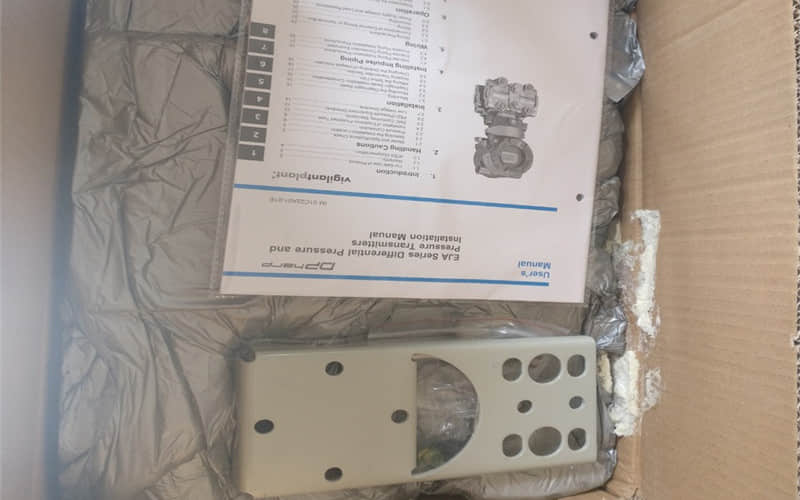
Review the Yokogawa EJA118E user manual and datasheet (PDF) for installation requirements.
Confirm the selected process flange, capillary length, and side of diaphragm seal match the process conditions.
2. Mounting the Transmitter
Choose a location that minimizes vibration and temperature fluctuation.
Mount the transmitter securely using appropriate brackets and ensure flange material compatibility with the process medium.
3. Connecting Pressure Lines
Connect high-pressure (HP) and low-pressure (LP) ports to the respective process lines.
Ensure proper sealing with gaskets at the gasket contact surface.
Tighten connections to prevent leakage.
4. Electrical Connections
Connect the power supply (10.5–32 V DC) according to the wiring diagram in the manual.
Verify correct polarity for intrinsically safe wiring setups.
5. Configuration
Power on the transmitter and configure parameters using a HART communicator or local parameter setting (LPS).
Set range, output signal, and engineering units as per process requirements.
6. Testing
Apply known pressures to verify calibration accuracy.
Check output signal (4–20 mA DC) using a multimeter or HART tool.
Confirm that readings stabilize within the 200 ms response time.
7. Final Checks
Inspect for leaks or loose fittings.
Verify the integrity of seals and confirm that all process connections are correctly torqued.
Ensure compliance with intrinsically safe installation requirements.
6.Yokogawa EJA118E Related Documentation
l Yokogawa EJA118E User Manual (PDF)
l Yokogawa EJA118E Datasheet
l Yokogawa DPharp EJA Series Overview
7.Related Part Numbers
l EJA110E: Standard differential pressure transmitter for general applications
l EJA120E: High static pressure version for critical systems
l EJA510E: Gauge pressure transmitter alternative with similar specifications
Yokogawa YTA110 Temperature Transmitter
Yokogawa EJA120E differential pressure transmitter