
Previous
Next
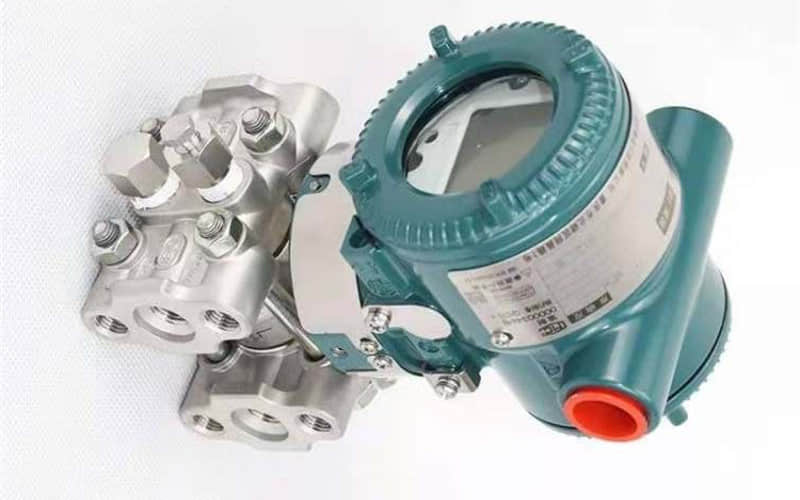
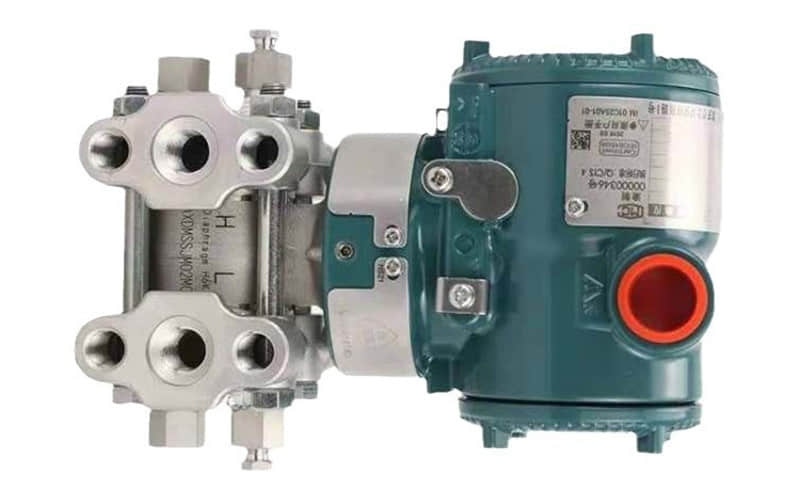
Yokogawa EJA130E Differential Voltage Transmitter

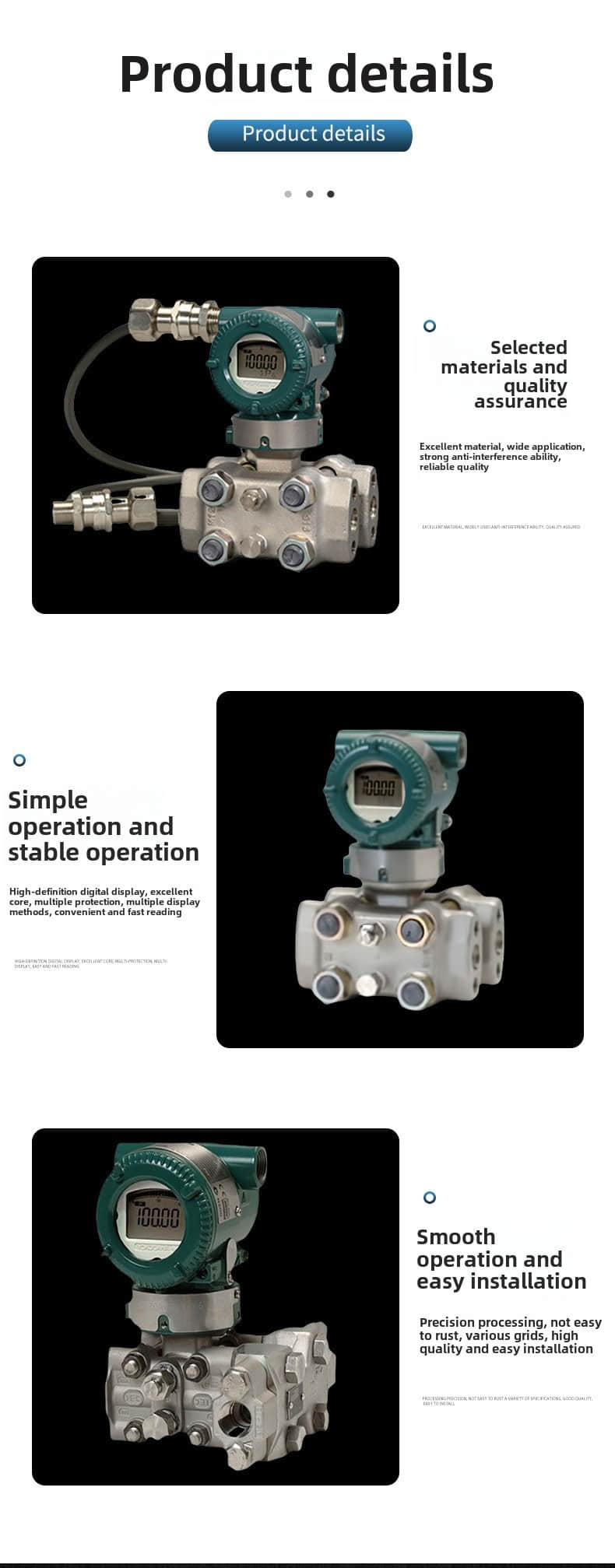
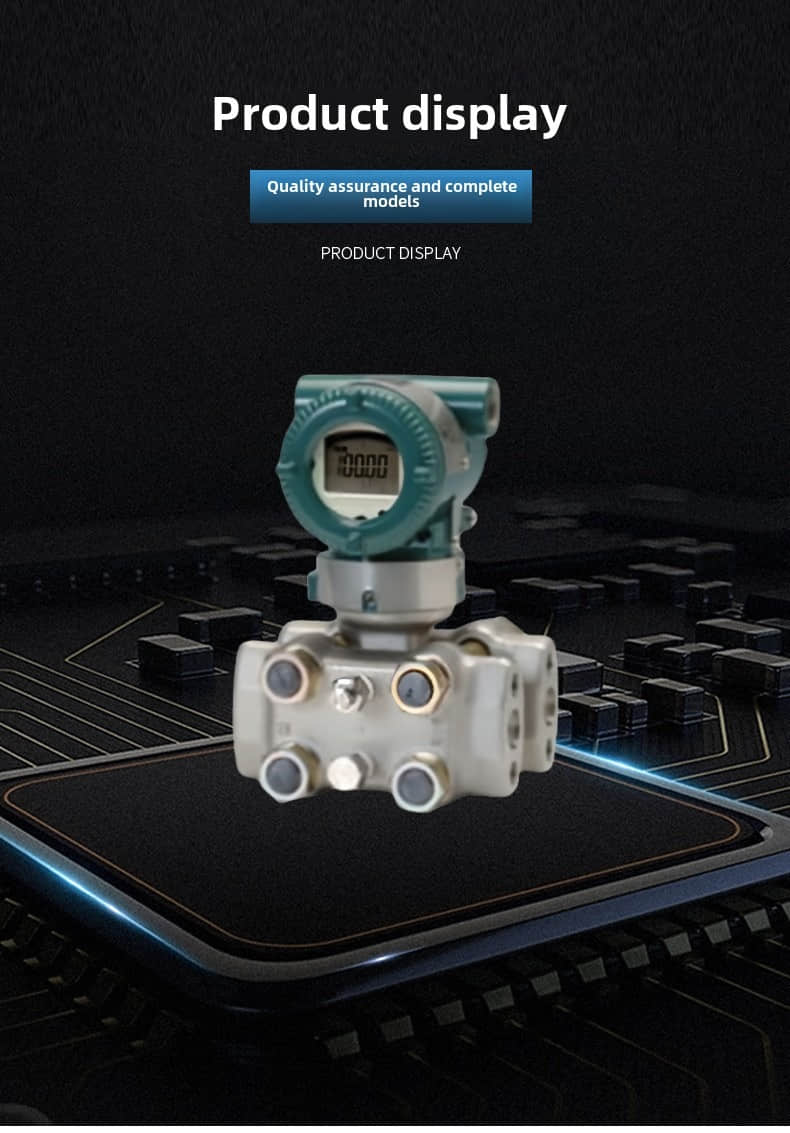
1.General Description
The Yokogawa EJA130E Differential Voltage Transmitter is a high-pressure device. It measures pressure differences accurately and reliably. Engineers build this transmitter for tough industrial settings.
The EJA130E uses a single crystal silicon resonant sensor. It has a reference accuracy of ±0.055%. This makes it one of the most precise instruments in Yokogawa’s DPharp family.
Engineers design it to work in high static pressure areas. This ensures reliable performance in tough jobs like oil and gas, petrochemical, and power generation.
The transmitter uses differential signaling. It converts measured differential pressure into output voltages.
These voltages are a pair of complementary electrical signals. They offer great noise immunity, fast response, and high data integrity. This Differential Voltage Transmitter effectively minimizes electromagnetic interferences (EMI) and common mode noise, maintaining precise performance even in electrically noisy industrial settings.
2.Yokogawa EJA130E Technical Specifications
- Type: Differential Voltage / Differential Pressure Transmitter
- Measurement Type: Differential Pressure (DP)
- Static Pressure Rating:Up to 4,500 psi
- Reference Accuracy:±0.055% of DP Span
- Long-Term Stability: ±0.1% of URL per 10 years
- Maximum Working Pressure (MWP):4,500 psi
- Burst Pressure: 19,100 psi (132 MPa)
- Overpressure Effect: ±0.03% of URL
- Rangeability: 100:1
- Response Time: 150 ms
- Output Signal: Differential voltage output or 4–20 mA DC (digital signaling)
- Supply Voltages: 10.5 to 42 VDC (depends on communication type)
- Communication Protocols: HART 5/7, FOUNDATION Fieldbus, PROFIBUS PA, BRAIN
- Wetted Parts: Stainless steel or Hastelloy (optional diaphragm sealed design)
- Operating Temperature Range: -40°C to +85°C
3.Key Features
l High Static Pressure Capability:
Specifically designed to work in high static pressure environments, ensuring reliable and safe operation in high-pressure systems.
l Single Crystal Silicon Resonant Sensor:
The core sensing element offers outstanding stability, accuracy, and resistance to environmental effects, providing consistent measurements over time.
l Differential Signaling with Complementary Outputs:
Utilizes a pair of differential output voltages (complementary signals) that transmit the electrical signal with high noise immunity and minimal signal degradation.
l Excellent Noise and EMI Resistance:
Differential and digital signaling methods reduce susceptibility to electromagnetic interference (EMI) and common mode noise, ensuring stable operation in complex environments.
l High Accuracy and Stability:
Offers ±0.055% accuracy with long-term reliability, providing repeatable results for critical pressure measurement applications.
l Flexible Output and Communication:
Supports both differential voltage and single-ended signaling outputs. It also supports digital communication protocols like HART and FOUNDATION Fieldbus for easy system integration.
l High-Quality Construction:
This product has high-quality wetted parts and diaphragm sealed options. It also has a strong stainless steel housing for durability in tough conditions.
l High-Speed and High-Fidelity Measurement:
Designed for high-speed differential signaling, enabling precise and responsive monitoring of process conditions.
4.Yokogawa EJA130E Applications
A. Oil and Gas Industry: Monitoring and controlling high static differential pressures in pipelines and drilling systems.
B. Chemical and Petrochemical Processing: Accurate measurement of pressure in corrosive or volatile media.
C. Power Generation: High-pressure steam and feedwater differential monitoring.
D. Water Treatment Plants: Measuring filter or pump differential pressure.
E. HVAC and Environmental Systems: Ensuring stable air and gas flow balance.
People commonly use the EJA130E for measuring differential pressure at high static pressure. Important for process safety and optimization.
5.Installation Procedure (Step by Step)
1. Preparation
Review the EJA130E installation manual for safety and connection details.
Gather all necessary tools, cables, and protective gear.
2. Mounting the Transmitter
Select a stable, vibration-free location.
Mount the transmitter using the provided brackets.
3. Connecting Process Lines
Clean the process lines before connection.
Connect high-pressure and low-pressure ports properly to prevent leaks.
Use diaphragm-sealed connections if required for corrosive or hazardous media.
4. Electrical Connections
Connect the power supply and signal wiring according to the wiring diagram.
For differential voltage mode, ensure correct polarity of both complementary signals.
Maintain cable shielding for optimal noise immunity.
5. Calibration
Power the transmitter and perform calibration as per Yokogawa’s specifications.
Verify differential voltage output corresponds accurately to known pressure inputs.
6. Testing
Perform functional tests using a calibrated pressure source.
Confirm stable electrical signals and proper output signal scaling.
7. Final Inspection
Inspect all mechanical and electrical connections.
Secure any loose wiring and verify insulation against environmental interference.
6.Yokogawa EJA130E Related Part Numbers
l EJA130E-JHS5G-92CEJ/NS11/M01 – Standard model with HART communication
l EJA130E-DMS4G-712DB/D4/HE – FOUNDATION Fieldbus version for digital control systems
l EJA130E-JHS5G – Base unit for general high-static differential pressure applications
7.Related Models
l Yokogawa EJA130A: High Static Differential Pressure Transmitter (4–20 mA output)
l Yokogawa EJX430A: Advanced high-performance transmitter for precision control
l Yokogawa EJA440E / EJA440A: High-pressure gauge transmitters for extreme process conditions
Yokogawa YTA110 Temperature Transmitter
Yokogawa EJA120E differential pressure transmitter