
Previous
Next
The Features of Rosemount 2051 for Pressure Measurement
1. Overview of Emerson Process Management
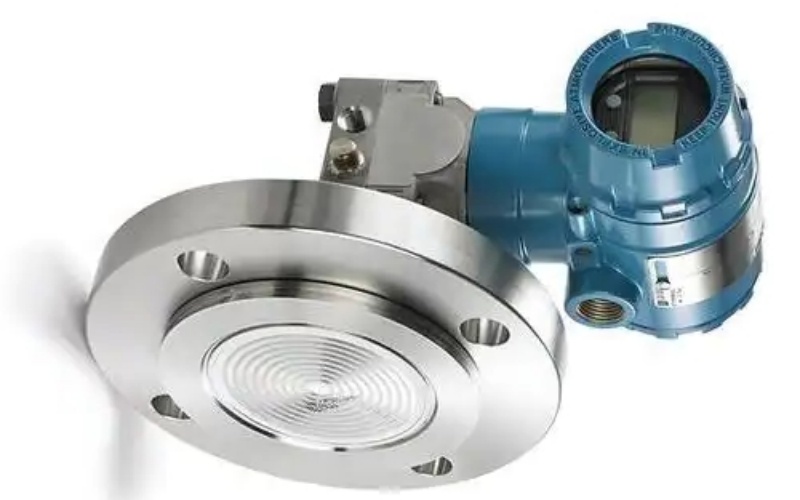
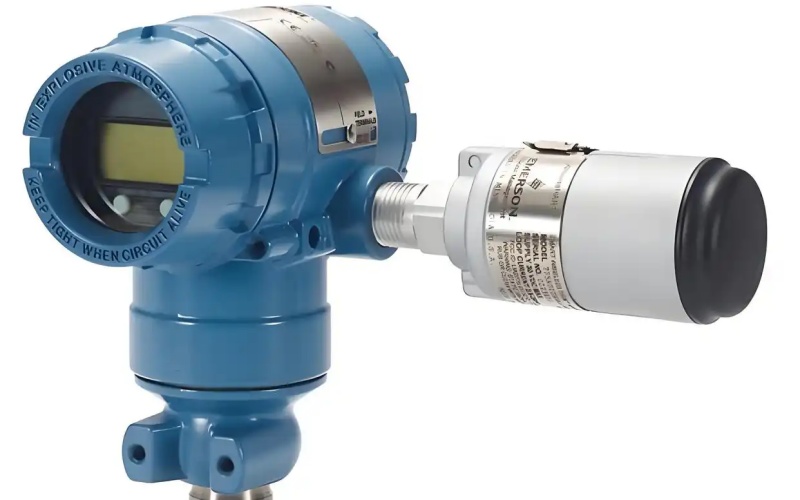
The Rosemount 2051 Pressure Transmitter is a high-performance device manufactured by Rosemount Inc. It delivers reliable gauge pressure and absolute pressure measurement, making it ideal for measuring pressure in automation systems.
The transmitter gives accurate pressure measurements with the Rosemount 2051. Industries commonly use it in their processes. These processes include control, level monitoring, flow metering, and integrating pressure sensors. Its high accuracy, stability, and robust design make it an industry-standard Pressure Transmitter suitable for harsh conditions.
1.1 Technical Specifications & Performance Parameters
l Pressure range: 0–1.5 psi up to 0–4000 psi (0–10 kPa to 27580 kPa)
l Accuracy: ±0.075% of span (including consistency between measurement output and input and again can be repeat)
l Turnaround Ratio: 100:1
l Stability: Five years
l Ambient Temperature Range: -40°C to 85°C (-40°F to 185°F)
l Power Supply Influence: ±0.01% of calibrated span per Volt
l RFI Influence: ±0.25% upper range limit under specific conditions
1.1.1 Coplanar Technology: Advantages and Benefits
The Rosemount 2051 integrates signal processing, communication, and pressure sensing modules on a single plane using coplanar technology. This simplifies installation, reduces complexity, and facilitates maintenance. It increases accuracy, reduces errors from piping, and boosts equipment durability. It supports both atmospheric pressure and psi measurements.
1.1.2 Market, Positioning, and Application Fields
The Rosemount 2051 Pressure Transmitter is suitable for automation control, flow meters, and level monitoring. Its high precision, stability, and resistance to interference ensure reliable measuring pressure even under harsh conditions. The coplanar design reduces maintenance and supports on-site absolute pressure measurement and gauge pressure requirements.
1.2 Key Features
l WirelessHART Technology: Enables reliable, stable pressure readings with wireless data transmission using frequency hopping to avoid interference.
l High Interference Resistance: Maintains accurate pressure sensor output in environments with electro and magnetic noise.
l High Adapt to different occasions: Operates across a wide temperature range, resists vibrations, heavy loads, and installation position changes. Suitable for high pressure, differential pressure, and barometric pressure measurements.
1.3 Benefits of Using absolute rosemount 2051pressure measurements Pressure Transmitters
High Precision and Stability: The basic accuracy is ±0.065%. Temperature compensation ensures reliable pressure measurement from -40°C to 85°C.
Durability and Easy Maintenance: Fully welded stainless steel structure resists rust and vibration, with IP67 protection. Diaphragm replacement and zero adjustment are simple.
Low Total Cost of Ownership: High turndown ratio reduces redundant equipment. Wireless models save up to 60% in wiring costs.
2. Pressure Transmitter Calibration
2.1 Importance of Calibration
2.1.1 Assuring Accuracy and Safety
Calibration ensures accurate pressure readings, remove errors within ±0.25%, critical for safe operation. Works reliably in extreme temperatures, similar to Rosemount 3051 devices.
2.1.2 Cost-Reduction and Compliance
Maintains compliance with standards like JJG 882-04, reducing legal and real risks. On-site calibration minimizes downtime.
2.1.3 Extending Lifespan and Improving Efficiency
Modular diaphragms, HART diagnostics, and handheld communicators increase maintenance efficiency. Calibration prevents increased energy consumption in systems such as compressed air.
2.2 Calibration Techniques for Rosemount 2051
l Tools Required:
HART communicator (e.g., model 475)
Standard Pressure Source
l Zero Calibration:
Ensure both sides are open to atmospheric pressure. Use HART to set 4 mA or 0% output.
l Span Calibration:
Apply full-scale pressure, like 100 kPa. Adjust using HART to 20 mA or 100%. Check the intermediate points.
l Verification:
Linear error ≤0.075% typical. Synchronize loop current to measuring pressure changes.
l Notes:
Pressurize system before calibration to avoid diaphragm overload.
3. Environmental Monitoring Equipment
3.1 Rosemount 2051: Role in Environmental Monitoring
Precise Data Collection: Uses differential pressure for wastewater treatment, measuring level or flow in acidic or alkaline media. Supports WirelessHART for remote pressure readings and alarms. Suitable for absolute pressure measurement, gauge pressure, and vacuum gauges monitoring in extreme environments.
3.2 Case Study: Monitoring Dissolved Oxygen (DO) in Wastewater
Project Background: Municipal wastewater plant controlling aeration for microbial activity. Traditional sensors required frequent maintenance. Rosemount 2051 pressure sensors provided accurate absolute and gauge pressure measurements.
Implementation: Dual transmitters monitor differential pressure (0–50 kPa), integrated with PLC via HART. Diaphragm made from 316L stainless steel for durability.
Results:
±0.1% differential pressure accuracy
15% reduction in aeration energy, saving $120,000 annually
Fault rate reduced by 70%, maintenance cycle extended to one year
Remote monitoring via SCADA enabled
Takeaways: IP67-rated device resists moisture and corrosion. Regular calibration maintains pressure sensor accuracy for environmental compliance.
For more modules you are interested in, please refer to the following:
Rosemount 2051CG Pressure Transmitter
Rosemount 2051C Coplanar Pressure Transmitter
Rosemount 3051CD Differential Pressure Transmitter
Back to the top: Rosemount