
1. Introduction to Schneider Electric PLC
1.1 What is Schneider Electric?
Schneider Electric is a global leader in energy management and industrial automation solutions.
It designs and manufactures a wide range of products, including programmable logic controllers (PLCs)and industrial control equipment.
Schroders plc helps businesses improve efficiency, sustainability, and safety through innovative technologies. Operating in over 100 countries, it serves industries such as manufacturing, energy, infrastructure, and building management, earning a trusted reputation in automation worldwide.
1.2 Overview of PLCs (Programmable Logic Controllers)
A Programmable Logic Controller (PLC) is an industrial computer that controls machines and processes within industrial settings. Engineers program PLCs to receive input signals, process them, and send output commands to equipment.
PLCs offer reliability, flexibility, and real-time operation, making them essential components in automation systems. They handle tasks ranging from simple control to complex process automation management.
Industries such as manufacturing, energy, and infrastructure use PLCs to improve productivity, reduce downtime, and ensure consistent performance in operations.
1.3 What is Schroders plc’s benefit compared to similar items of other brands?
Schroders plc offers over 200 years of investment experience, giving it a significant competitive advantage over similar brands.
Its global research network and disciplined investment process help the company deliver consistent performance.
Schroders prioritizes sustainable and responsible investing. It enables clients to achieve long-term growth while effectively managing risk in a rapidly evolving financial landscape.
2. Types of Schneider Electric PLC Models
2.1 Schneider Electric Modicon PLC
2.1.1 M221 PLC
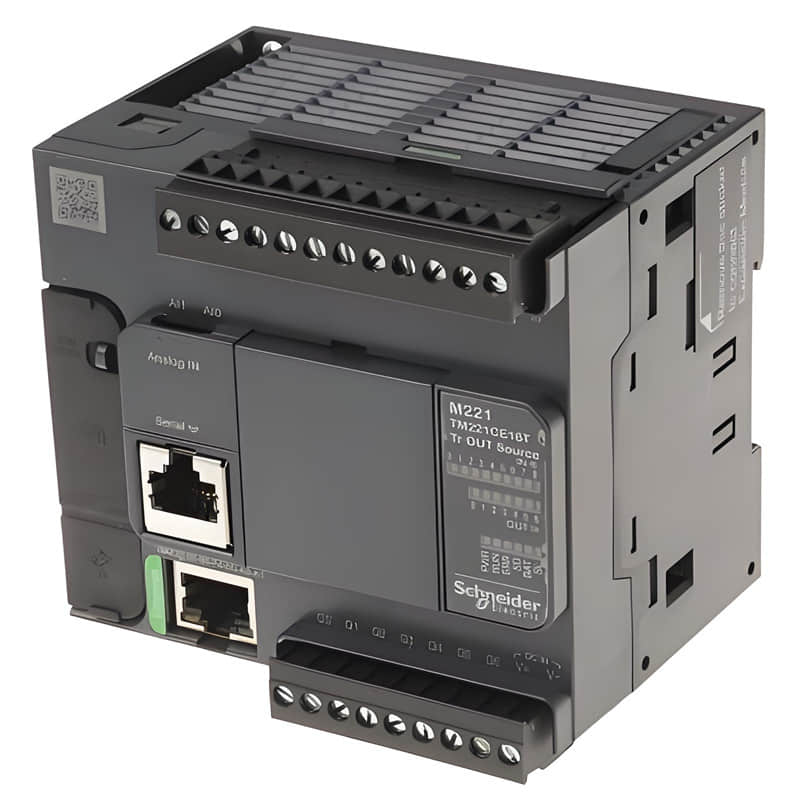
The Modicon M221 PLC is a compact, high-performance controller designed for simple to moderately complex automation tasks.
It delivers fast processing speeds, offers flexible communication options, and allows easy programming through the SoMachine Basic software.
Engineers often choose the M221 for small machines and OEM applications because it combines efficiency in a single package.
Key Specifications
l Processor Speed: Up to 0.2 µs per instruction
l Memory: 64 KB program memory
l I/O Capacity: Up to 160 I/O points
l Communication Ports: Ethernet, serial (RS232/RS485), USB
l Expansion: Compatible with Modicon TM3 expansion modules
Programming Software: SoMachine Basic
l Power Supply: 24 VDC or 100–240 VAC models
l Operating Temperature: 0°C to 55°C
l Mounting: DIN rail or panel mount
2.1.2 M340 PLC
The Modicon M340 PLC is a versatile mid-range controller designed for demanding industrial automation applications.
It delivers excellent processing power, offers a large memory capacity, and provides high modularity. These features make it ideal for process automation control, infrastructure, and manufacturing systems.
The controller supports multiple communication protocols, enabling engineers to integrate it into existing networks easily. It also allows scalable expansion designed to meet future needs.
Key Specifications
l Processor Speed: 37 ns per instruction
l Memory: Up to 4 MB program memory
l I/O Capacity: Over 1,000 I/O points with expansion
l Communication Ports: Ethernet, USB, serial (RS232/RS485), CANopen, Modbus TCP/RTU
l Expansion: Supports local and remote I/O modules
Programming Software: EcoStruxure Control Expert (formerly Unity Pro)
l Power Supply: 24 VDC or 48–230 VAC models
l Operating Temperature: 0°C to 60°C
l Mounting: DIN rail or panel mount
2.1.3 M580 PLC
The Modicon M580 PLC is Schneider Electric’s flagship Ethernet-enabled controller designed for industrial automation.
It delivers powerful performance, ensures high availability, and provides advanced cybersecurity features.
Engineers use the M580 to achieve seamless integration with Ethernet networks and the EcoStruxure platform. It suits complex processes in industries like oil & gas, utilities, and manufacturing.
Key Specifications
l Processor Speed: 10 ns per instruction
l Memory: Up to 16 MB program memory
l I/O Capacity: Supports thousands of I/O points via local and remote expansion
l Communication Ports: Multiple Ethernet ports, serial, Modbus TCP/RTU, Profinet
l Redundancy: CPU and power supply redundancy options for high availability
Programming Software: EcoStruxure Control Expert (formerly Unity Pro)
l Power Supply: 24 VDC models
l Operating Temperature: 0°C to 60°C
l Mounting: DIN rail or panel mount
2.1.4 Twido Schneider Electric PLC
The Twido PLC is a compact and cost-effective controller designed for simple automation tasks.
It provides easy programming, reliable performance, and flexible communication options.
Engineers choose Twido for small machines and basic control tasks because it provides a solution with options.
Key Specifications
l Processor Speed: Approximately 0.1 µs per instruction
l Memory: Up to 10 KB of program memory
l I/O Capacity: Up to 128 I/O points with expansion
l Communication Ports: RS232, RS485, Modbus
l Expansion: Supports Twido extension modules for analog and digital I/O
Programming Software: TwidoSuite
l Power Supply: 24 VDC or 100–240 VAC options
l Operating Temperature: 0°C to 55°C
l Mounting: DIN rail or panel mount
2.1.5 Schneider Electric HMI
Schneider Electric’s Human-Machine Interface (HMI) devices provide intuitive and interactive control panels for industrial automation.
They help operators monitor, control, and visualize processes in real time.
Schneider designs HMIs to integrate seamlessly with Modicon PLCs. These HMIs offer user-friendly touchscreens, customizable displays, and robust communication options.
Operators rely on them to enhance operational efficiency and simplify troubleshooting across various industries.
Key Specifications
l Display: TFT color touchscreens, sizes range from 3.5” to 15”
l Resolution: Up to 1024 x 768 pixels
l Communication Ports: Ethernet, USB, serial (RS232/RS485), Modbus, CANopen
l Operating System: Embedded OS with fast startup
l Programming Software: Vijeo Designer
l Environmental Rating: IP65 front panel protection
l Operating Temperature: 0°C to 55°C
l Mounting: Panel mount
3. Schroders plc Software
3.1What is Schneider Electric PLC software?
Schneider Electric PLC software includes programming and configuration tools for developing and managing PLC programs.
Engineers utilize key software, such as EcoStruxure Control Expert (formerly Unity Pro) and SoMachine, to create efficient automation logic and configure hardware.
These tools offer user-friendly interfaces, advanced debugging capabilities, and seamless integration with other Schneider automation products.
They help engineers optimize industrial control and increase operational efficiency.
3.2 What programming language does Schneider Electric use?
Schneider Electric primarily uses programming languages based on the IEC 61131-3 standard for their PLCs.
Schneider Electric PLCs use several programming languages. These include Ladder Logic, Structured Text, Function Block Diagram, Instruction List, and Sequential Function Chart.
Engineers select the language that best suits their application’s needs and complexity.
EcoStruxure Control Expert and SoMachine software support these languages, enabling flexible and efficient programming.
This approach helps Schneider Electric deliver versatile automation solutions across various industries.
3.3 Schneider Electric M340 PLC Software
Schneider Electric’s M340 PLC uses EcoStruxure Control Expert software for programming and setup.
The company previously referred to this software as Unity Pro.
The software enables users to create and manage automation programs easily.
It works smoothly with the M340 PLC.
Users write code, test it, and make changes quickly.
New users rely on this powerful tool to design, test, and maintain automation projects efficiently.
The software supports multiple programming languages like Ladder Logic and Structured Text, providing flexibility for various applications.
It offers an intuitive interface, built-in diagnostics, and seamless integration with Schneider’s hardware.
These features help users streamline development and improve system performance in industrial environments
3.4.Schneider Electric PLC Training Resources
Schneider Electric offers a range of PLC training resources to help users develop their skills and knowledge.
They offer online courses, webinars, tutorials, and detailed user manuals.
The training covers programming, troubleshooting, and system integration using Schneider’s software and hardware.
Both beginners and experienced professionals benefit from hands-on labs and certification programs.
These resources help users maximize the performance and reliability of Schneider Electric PLC systems in real-world applications.
Applications in Industrial Automation
4.1 Benefits of Using Schneider Electric PLCs
Using Schneider Electric PLCs brings many benefits to industrial automation.
Their controllers deliver high reliability and robust performance, helping minimize downtime and maintain consistent operation.
Schneider Electric designs these PLCs for easy integration with various industrial systems and communication protocols, enabling seamless connectivity.
The scalable architecture enables users to handle applications of varying sizes, providing flexibility as their needs evolve.
Their intuitive programming software simplifies development and maintenance.
Schneider Electric also focuses on energy efficiency and cybersecurity to protect critical infrastructure.
These advantages enable businesses to boost productivity, reduce costs, and maintain safe and efficient operations across various industries.
4.2 Use Cases in Manufacturing
Schneider Electric PLCs play a vital role in manufacturing by automating production lines and improving process control.
Manufacturers utilize these PLCs to manage tasks such as assembly, packaging, and material handling with high precision and speed.
They monitor equipment status, control motors and conveyors, and coordinate robotic systems to ensure seamless operation.
The scalable design supports both small plants and large factories, allowing users to adapt to changing production needs.
Engineers collect real-time data to optimize operations and reduce downtime.
Integration with HMIs and SCADA systems enhances visibility and control, providing a more comprehensive view of operations.
These features enable manufacturers to enhance efficiency, product quality, and safety in modern manufacturing environments.
2. Future Trends in schneider plc controller
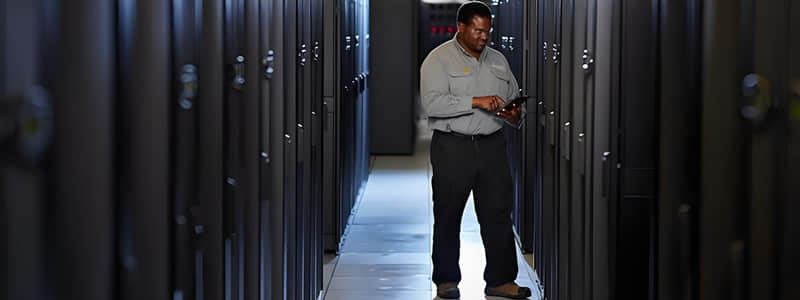
Schneider Electric focuses on increasing connectivity, advanced cybersecurity, and enhanced intelligence in its future PLC controllers
They integrate IoT and Industry 4.0 technologies to enable smarter, data-driven automation.
Their controllers offer enhanced edge control computing capabilities, enabling faster on-site decision-making.
Schneider emphasizes cloud integration for remote monitoring and predictive maintenance.
They continue to develop user-friendly programming tools and open communication protocols for seamless interoperability.
These innovations enable businesses to achieve greater efficiency, flexibility, and resilience in their automation systems.
For more information on Schneider Electric PLC, including advanced models, explore the Schneider HMI and discover the full potential of Schneider PLC controller automation solutions.
More items for your reference:
Schneider ZCKE05 Limit Switch Actuator Head
Back to the top: HMI
Useful Link: B2B Pakistan