A Programmable Logic Controller (PLC) is a strong digital control system. People also call it an industrial controller or logic solver.
Companies use PLCs to automate machines, production lines, and industrial processes. This smart device is key to industrial automation. It constantly checks inputs and outputs. It runs programmed logic and produces accurate output signals reliably.
Modern control systems keep operations running smoothly and safely. They do this by following instructions that manage industrial equipment in real time. Programmable Logic Controllers (PLC systems) are important for modern automated factories. They are durable and flexible, making them ideal for smart machines and fast motion control.
1. Basic Concept
1.1 Programmable Logic Controller
A Programmable Logic Controller, or PLC, is a special computer. It runs machines and handles automation tasks. It does this using clear instructions and strong communication methods.
This strong device replaces old relay logic. It helps engineers create control applications that work well with input and output devices.
So, what does a PLC do?
It gets signals and follows programmed instructions in a special programming language. It then activates outputs to control motors, sensors, valves, conveyors, and more.
Typical applications for a Programmable Logic Controller include:
manufacturing automation
l packaging machines
l robotic control
l production line optimization
l process automation in chemical, food, energy, and other industries
1.1.1 Types of PLC
Different control system types are used across automation:
Compact Programmable Logic Controllers (PLC) for small machines
Modular industrial controllers that expand with changing system requirements
Rack-mounted PLC systems for large-scale or complex industrial networks
Each logic solver has different CPU performance, I/O capacity, analog input options, and communication protocols. This variety helps industries pick the best controller for simple tasks or complex automated operations.
1.1.2 Programmable Logic Devices (PLDs)
Programmable Logic Devices (PLDs) are configurable digital circuits used to implement custom logic functions. Engineers program these logic devices using development software to quickly design, test, and modify circuit behavior. PLDs are essential for rapid prototyping, circuit simplification, and embedded system development.
2. Industrial Controller Programming
2.1 A Beginner’s Guide to programming
Learning logic solver programming starts with understanding scan cycles, inputs and outputs, and structured logic instructions. Beginners typically start with ladder logic, simple motor control, and sensor-based industrial automation.
As programmers improve their skills, they start using function block diagrams and sequential control. They also work with complex control system logic. Many industrial applications use this logic.
2.1.1 Most Common Programming Language
The most common programming language for a Programmable Logic Controller is Ladder Logic. Popular for its resemblance to electrical relay diagrams and ease of troubleshooting.
2.1.2 Ladder Logic Courses
A Ladder Logic training program teaches students to create industrial automation routines. They learn to use graphical rungs, timers, counters, sequencing, and real-time control structures. Simulators allow learners to design and deploy reliable control system logic.
2.1.3 What Is a PAC? (Programmable Automation Controller Explained)
A Programmable Automation Controller (PAC) is a modern industrial controller. It provides computer-level processing power. It also has strong motion control and can handle data quickly. PACs are ideal for complex, networked automation environments requiring seamless communication protocols and scalable performance.
3. Key Control System Components
3.1 Control Panels and Cabinets
A control panel houses essential parts such as the Programmable Logic Controller, power supply, terminals, and communication modules. The protective cabinet safeguards components against dust, vibration, moisture, and harsh industrial environments.
3.1.1 Industrial Controller Components
Important components of a logic solver include:
l processor
l I/O modules
l communication interfaces
l power supply
l wiring for input and output devices
These elements help the control system work reliably. They also allow it to connect easily with field devices in many industrial processes.
3.1.2 Controller with Integrated Screen
A controller with a built-in Human Machine Interface (HMI) screen lets operators see data and change settings in real time. Touchscreen-enabled Programmable Logic Controllers (PLC) enhance diagnostics, visualization, and user control.
3.1.3 Control System Circuit
A control system circuit processes signals. These signals include digital inputs, analog data, and complex logic operations. Well-designed circuits deliver stable, accurate, and fast responses for control applications.
3.1.4 Industrial Controller with HMI
An HMI–control system combination improves workflow by linking automation logic to user interfaces. Options range from compact logic solvers with built-in screens to fully modular HMIs used in advanced industrial automation.
4. Leading Manufacturers of Control Systems
4.1 Allen-Bradley PLC
People recognize Allen-Bradley Programmable Logic Controllers (PLC) for their durability and scalability. They support a wide range of communication protocols and integration options suitable for all levels of industrial processes.
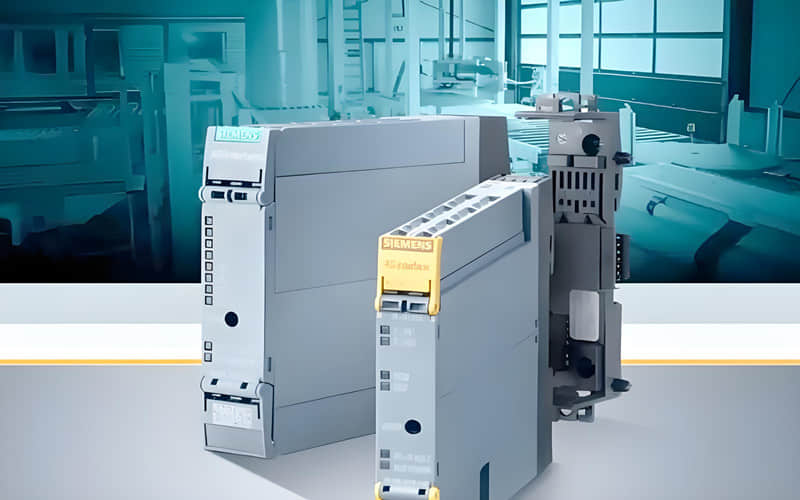
4.2 Siemens PLC
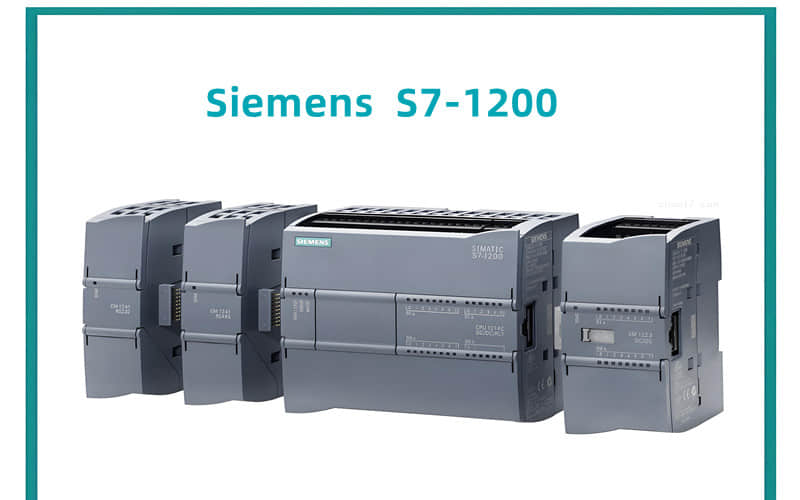
Siemens industrial controllers offer high efficiency and advanced software tools. They also provide strong support for modern communication standards. This makes them ideal for long-term process control and complex production line automation.
Siemens offers various series, such as S7-1200 and S7-1500, for both small and large systems.
People utilize these PLCs to enhance efficiency and monitor operations in factories and industrial settings.
Two part numbers, for your reference:
6ES7521-1BL10-0AB0 Siemens SIMATIC S-1500 Module
Siemens A5E02625805-H2 SIMATIC PC power supply component
4.3 WAGO PLC
WAGO produces modular, flexible logic solvers with versatile I/O options and reliable performance, making them suitable for scalable industrial automation applications.
4.4 Modicon PLC
Modicon control systems from Schneider Electric provide strong processing power. They have good software integration and work with many control applications.
4.5 Schneider PLC
Schneider Programmable Logic Controllers provide modular expandability, advanced communication tools, and long-term reliability across diverse PLC systems and automation environments.
4.6 The differences among the brands:
① Product Range and Application Fields:
Mitsubishi offers an extensive range of PLC series used in factory automation and robotic control.
Siemens offers the S7-200, S7-300, S7-1200, and S7-1500 series for process automation and industrial machinery.
Omron provides CP, CS, and NJ series PLCs suitable for machine manufacturing, equipment, and home automation.
② Functions and Performance:
Mitsubishi PLCs feature high-speed processing and extensive programming languages and function modules (e.g., PID control and motion control).
Siemens PLCs have high sampling cycles, extensive communication interfaces, and support for various programming languages.
Omron PLCs are highly flexible and scalable, offering rich function modules and communication interfaces to meet diverse application requirements.
③ Hardware and Software Comparison:
Different brand has performance differences in hardware. Omron PLCs, for example, often excel in I/O points and memory capacity.
In software, Omron’s GX software is user-friendly, and Omron’s other software has distinct software strengths.
④ Price Comparison:
The pricing for Mitsubishi, Siemens, and Omron PLCs varies significantly by model, with notable differences between brands.
5. How to Select the Right PLC
5.1 Key Considerations
l Team familiarity and training
l System requirements and cost efficiency
l Parts availability and delivery
l Scalability and full ecosystem support
5.2 Importance of an Affordable Logic Solver
An affordable Programmable Logic Controller helps lower project costs without sacrificing performance. Evaluating features such as I/O count, communication protocols, and software capabilities ensures optimal value.
5.3 Why a Micro Control System Is Often the Best Choice
Micro-sized control systems are:
l cost-effective
l space-saving
l easy to program
l fast to install
l ideal for compact control applications and production line equipment
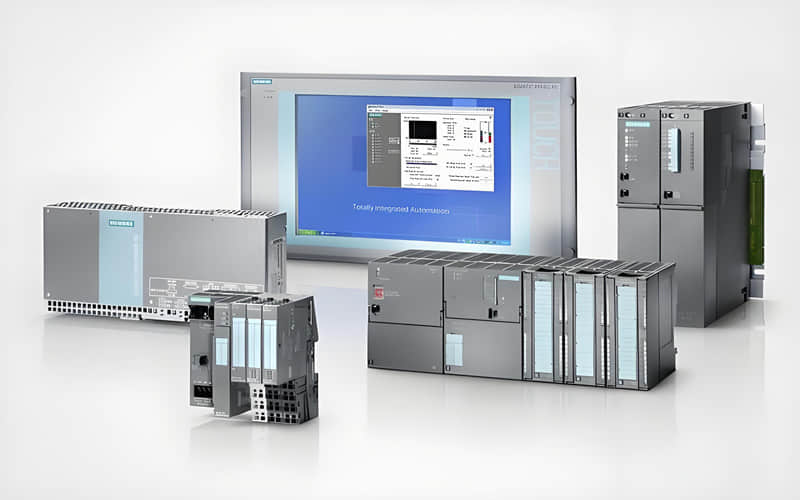
6. Automation Software for Programmable Logic Controllers
Control system software helps engineers design logic, simulate performance, and monitor industrial processes. Many platforms include free tools for ladder logic, function blocks, and structured text programming.
6.1 Allen-Bradley Software
Allen-Bradley industrial controller software offers strong tools. These tools help you set up, improve, and fix PLC systems and extensive automation setups.
6.2 GE Control Software
GE logic solver software supports fast programming, system monitoring, and effective management of input and output devices.
6.3 Mitsubishi Control System Software
Mitsubishi software offers advanced programming features, real-time diagnostics, and streamlined integration for various control applications.
7. Industrial Automation Training
7.1 Certifications
Certification programs cover fundamental PLC principles, programming languages, ladder logic, and practical troubleshooting for modern industrial automation systems.
7.2 How to Learn Industrial Controller Programming
Beginners can use online courses and simulators to learn control system programming. They can study from home at their own pace.
7.3 Allen-Bradley Training
Courses include RSLogix and Studio 5000, providing hands-on exercises for building and managing PLC systems.
7.4 Siemens Training
Siemens TIA Portal training offers practical, real-world exercises for designing, optimizing, and maintaining industrial automation systems.
For more articles you may be interested in, please refer to the following:
Critical Considerations for the Selection of PLC
How to Build the Right PLC Control Cabinet?