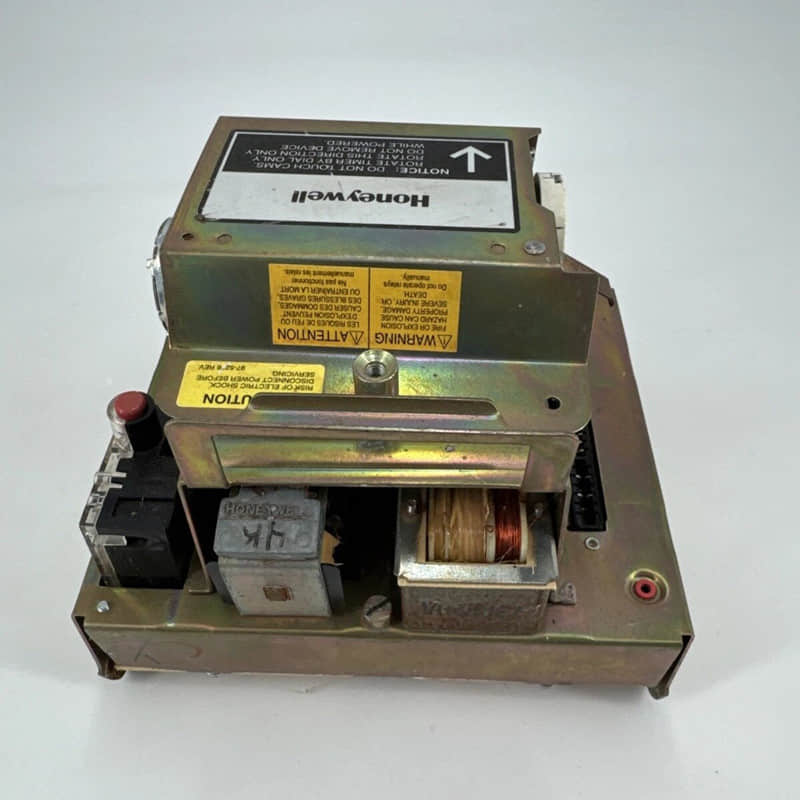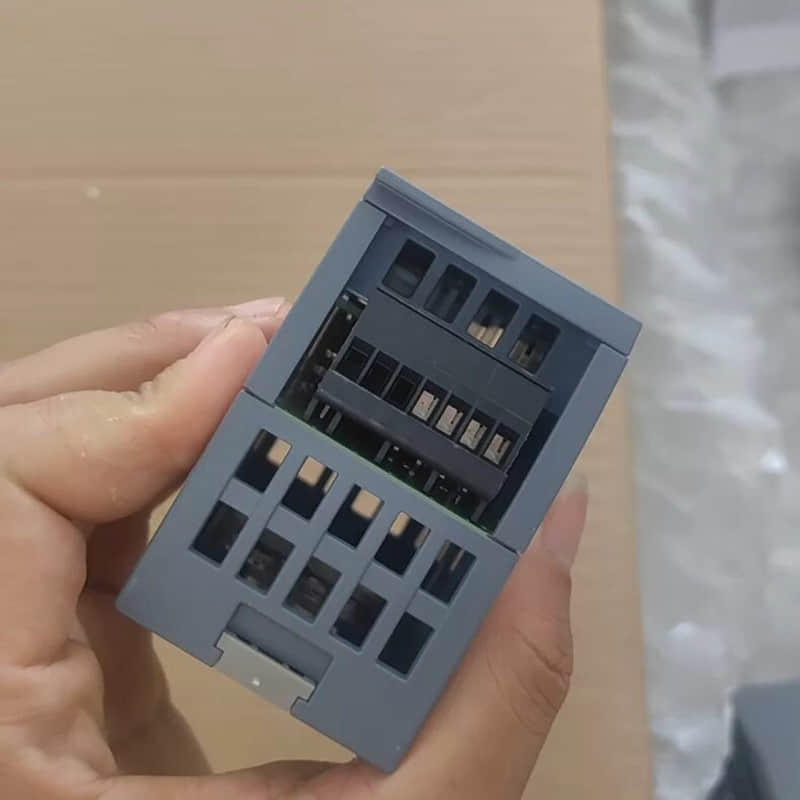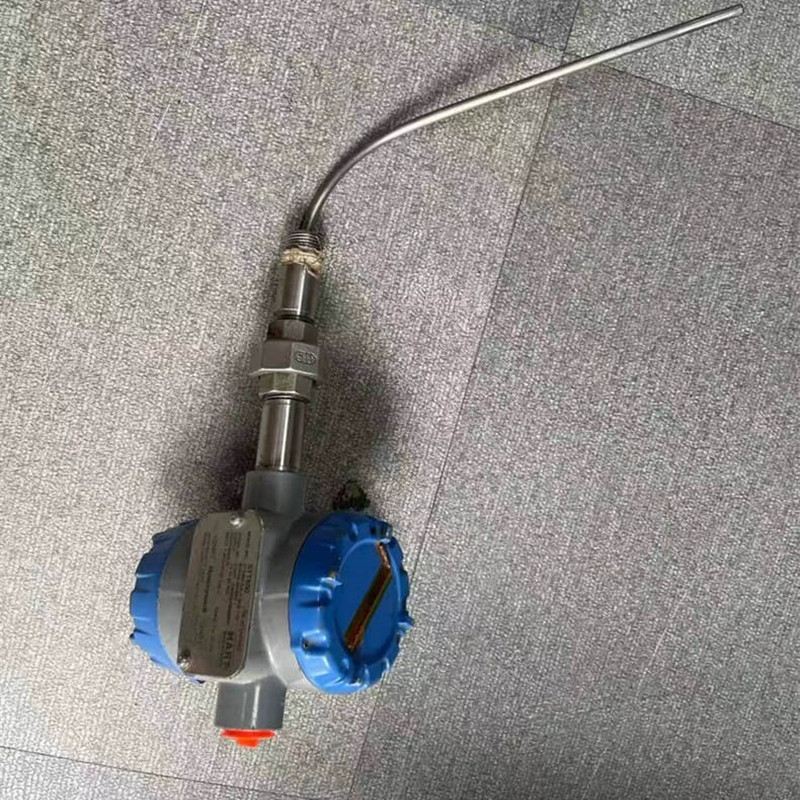
Introduction
In my years of supporting global industrial clients with burner control systems, one issue causes most urgent calls.
That issue is unexpected burner shutdowns. During Honeywell flame safeguard troubleshooting, I found that over 60% of false alarms happen. Many system failures are not from hardware damage. They are caused by using an incompatible flame amplifier.
In industrial combustion, the amplifier is not just a driver of efficiency—it is the core of safety. A wrong component can cause frequent production downtime. In high-pressure applications, it can stop the system from detecting flame loss. This creates serious safety risks.
Why is the Amplifier the Core of Flame Safety?
In a flame safety control system, the amplifier acts as the critical "signal translator."
Flame sensors (such as UV scanners or flame rods) capture extremely weak current or voltage signals. In complex industrial combustion environments, these signals are highly susceptible to electronic noise, high-voltage interference, and ambient heat. The amplifier’s main job is to "purify" the real flame signal from strong background noise. It then converts it into digital logic that the Flame Safeguard Control can read.
Why Does "Sensor-Amplifier Matching" Determine System Sensitivity?
This is not merely a question of model compatibility, but the cornerstone of system safety:
Signal-to-Noise Ratio (SNR): Every amplifier has a specific sensitivity curve. If the sensor and amplifier impedance do not match, the system may face two extremes.
It may trigger a false flame-out because of low sensitivity.
Or it may create false flame signals because of high sensitivity to background noise. For any burner ignition sequence, this uncertainty is dangerous.
Safety Response Time (FFRT): Industrial combustion demands high-speed response. An improperly matched amplifier adds extra delay. This can stop the controller from cutting fuel right away. If a flame-out occurs, it may create safety gaps.
Environmental Adaptability: For series like the Honeywell R4140, different amplifier plug-ins correspond to different environmental compensation logic. Selecting the wrong plug-in can reduce the system’s required protection. This can happen in high humidity, high temperatures, or high-frequency electromagnetic interference.
In short, the amplifier is the "brain filter" of your flame monitoring system. If the input signal is chaotic, all subsequent logic judgments will fail.
Amplifier Selection Checklist: Avoiding 3 Common Technical Traps
In industrial combustion system maintenance and upgrades, minor deviations in technical parameters are often the root cause of instability. Below are the two key selection pitfalls and their solutions:
Trap 1: Ignoring Environmental Interference and Signal Link Mismatch
Honeywell Flame Safeguard amplifier compatibility is core to the selection process. Many users focus only on the controller when working with Honeywell R4140 series systems. They often ignore how the amplifier, the field environment, and the sensor must match.
Root Cause: In industrial environments with high-voltage electric fields, variable frequency drives (VFDs), or strong electromagnetic radiation, standard amplifiers cannot effectively suppress noise.
Field Case: I once handled a typical failure where a client's system suffered frequent, unplanned shutdowns. Initially suspected to be a detector fault, the situation worsened after replacing the R4795A series plug-in.
On-site diagnosis showed that the team did not check the sensitivity settings during selection. This caused an impedance mismatch between the R4795A and the field C7027 UV flame detector. Once we replaced it with a compatible, higher-sensitivity model, the system stabilized right away.
Examples include the R7249A1003 or the R7476A1007/U with dynamic self-check.
genuine vs counterfeit flame safeguard components Selection Guidelines:
Verify Link Compatibility: Ensure the amplifier is explicitly marked for your controller series (e.g., BC7000 or R4140).
Match Detector Type: UV detectors (e.g., C7027/C7035/C7044) require R7849A/B series; rectification rods require R7847A/B series.
Dynamic Self-Check: In high-interference environments, prioritize models with "Dynamic Self-Check" (e.g., R7476A1007/U) to ensure link reliability.
Check FFRT. Verify the Flame Failure Response Time, usually 2–4 seconds or 3 seconds. Compare it to safety standards, such as NFPA.
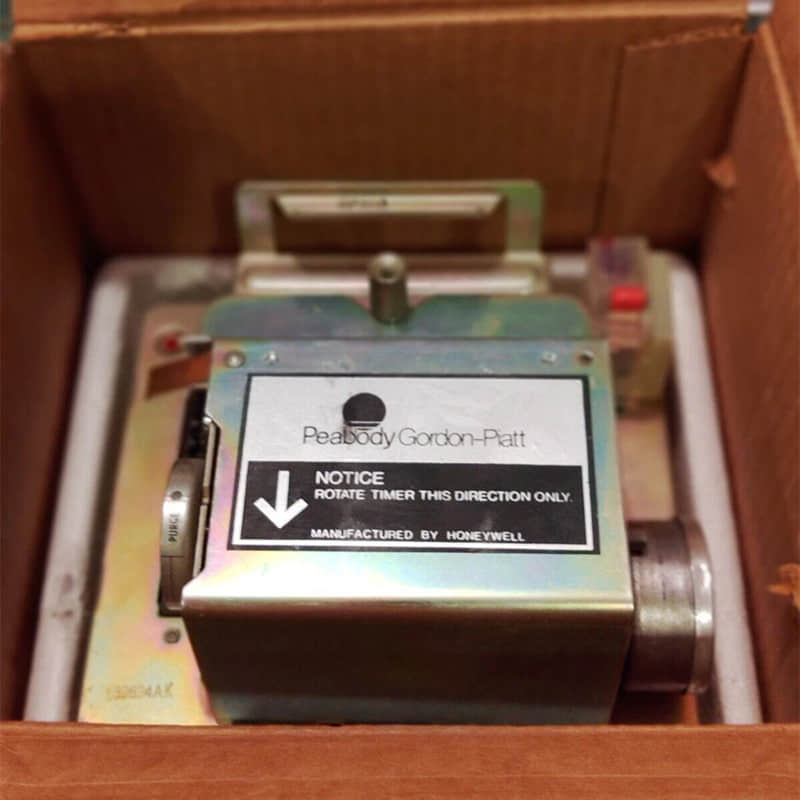
Trap 2: "False Flame" Signals Caused by Parameter Mismatch
Sensitivity/Detector Misalignment: Mismatched detection technologies (UV, IR, rectification) lead to logic failure. For example, using the R7247C1001/U, made for C7012E/F UV detectors, with a rectification flame rod will fail.
Impedance Matching: Input/output impedance mismatch causes signal attenuation, preventing the controller from distinguishing valid signals from background noise.
troubleshooting honeywell flame safeguard systems
Verification Dimension | Technical Requirement |
Controller Compatibility | Must be confirmed for BC7000, R4140, etc. |
Detector Matching | UV to R7849 series; Rectification to R7247 series |
FFRT Response Time | Locked to 2–4s or 3s per safety standards (e.g., NFPA) |
Environmental Tolerance | Operating temp -40°C to +60°C; Humidity 5–90% RH |
Safety Certification | Must carry UL, CSA, FM, or equivalent authority certifications |
Trap 3: Neglecting Industry Compliance and Safety Risks
In industrial combustion, compliance is not optional—it is a mandatory line of defense for safety and assets.
Why compliance is not optional. Industrial safety standards, like NFPA 85/86, EN 298/EN 1643, and GB/T 21135, set strict performance requirements. Honeywell components certified by UL, CSA, or FM ensure reliable logic response under extreme conditions.
The Cost of Non-Compliance: I once saw an explosion at a chemical plant.
It happened after staff bought unauthorized "compatible alternatives." The parts lacked UL certification and failed to meet NFPA response time requirements. When a real flame-out happened, the amplifier did not detect the flame loss, so fuel kept injecting into the furnace.
Procurement Guide:
Verify Certification Labels: Look for clear UL or CE marks. Verify the product serial number.
Beware of "grey markets": Prices far below average, poor packaging, and missing documents are high-risk warning signs.
Core Advice: Treat amplifier procurement as an investment in "Production Continuity and Safety Responsibility." Always prioritize authorized distributors.
Conclusion: Building a "Safety Loop" from Selection
Choosing the right Honeywell Flame Safeguard amplifier is not just "plug-and-play." The foundation of system stability is.
Link Matching: Ensure strict alignment between detector technology (UV/IR/Rectification) and the amplifier.
Anti-Interference: In high-noise environments, prioritize Dynamic Self-Check models (e.g., R7476A1007/U).
industrial burner control safety standard Compliance: Only use certified products (UL/CSA/FM) to meet regulatory requirements and ensure insurance coverage.
Next Steps:
If you face system instability or concerns during an upgrade, check your controller and detector match the compatibility list. If you need a detailed parameter comparison, visit our Honeywell DCS page.
You can also contact me directly for a tailored configuration based on your operating conditions.
YMZDCS: More Than Just a Supplier
If you are working on a project, retrofitting old instruments, or unsure which model fits your site, contact the YMZDCS team for expert support.
1-on-1 Selection Guidance: We verify ranges, materials, and protocols to prevent return/exchange risks.
Genuine Traceability: Direct supply from official channels with full documentation.
Rapid Response: Large inventory of mainstream models ready for immediate dispatch.
Access the more technical datasheet:
Slideshare: Why Honeywell Flame Safeguard Systems Fail: The Critical Role of Flame Amplifier Selection
Scribd: The Critical Role of Amplifier Selection
You can also discuss and put your comments in Linkedin: Why Honeywell Flame Safeguard Systems Fail: The Critical Role of Flame Amplifier Selection