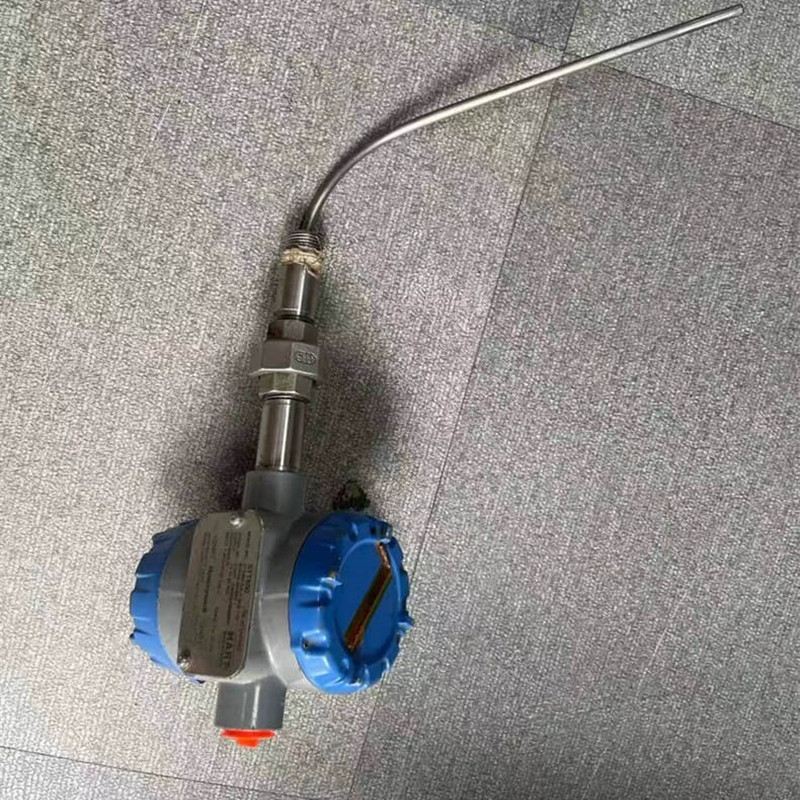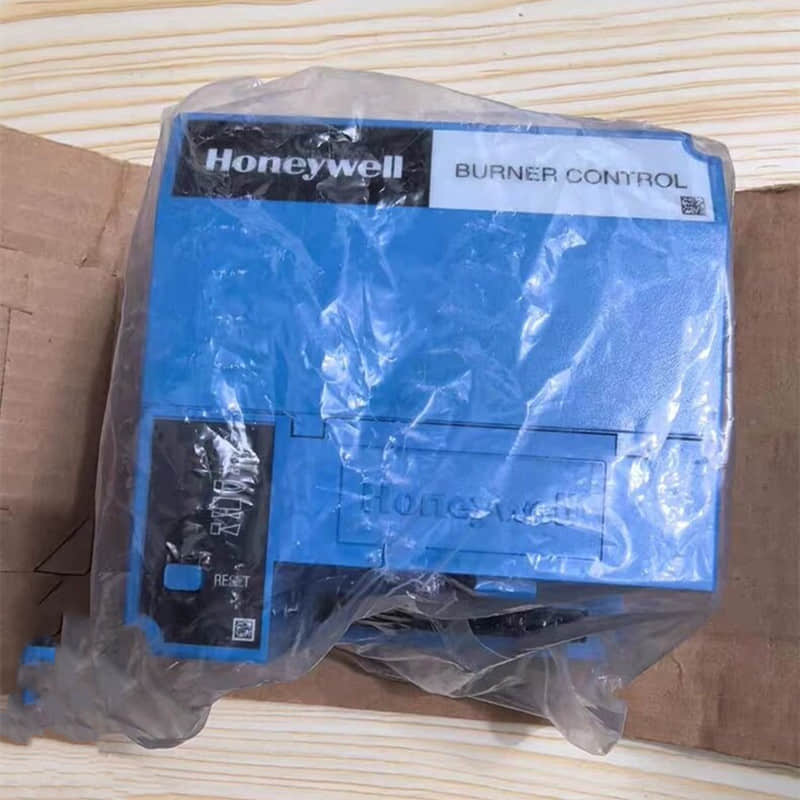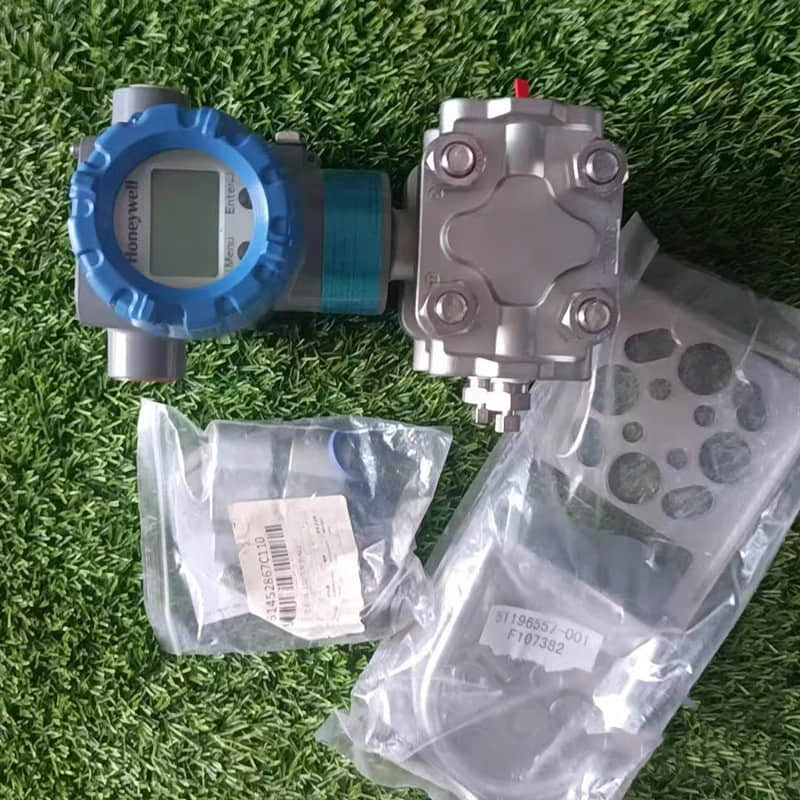
I. Introduction
When selecting Honeywell Smartline temperature transmitters, engineers often face the same dilemma. Choosing an overly expensive model can cause budget overruns. It may also look like poor professional judgment.
Choosing a budget model can cause fluctuations with small process changes. This can lead to control loop instability and costly troubleshooting downtime. In industrial temperature control, choosing the right transmitter is critical. It affects process accuracy and long-term operating costs.
Honeywell’s SmartLine® series has long been a "gold standard" in the industry. Its reputation among veteran engineers isn't just about impressive stt850 technical specifications; it’s about a robust modular design.
With shared parts across models, maintenance is easier. These devices are reliable workhorses. They perform consistently for years.
So, how do you choose between the STT850 (the high-performance flagship) and the STT750 (the high-value practical choice)? This guide skips the dry, repetitive technical jargon. Instead, I’ve broken down the key differences from a field-use view.
This helps you choose with a clear plan.
It also helps you spend your budget where it counts.
You can then pick the right tool for the job.
II. SmartLine Technical Advantages: Why Engineers Choose It
In industrial automation, transmitters are the "eyes" of the production line. The Honeywell SmartLine series dominates high-demand industries like oil, power, and chemicals for two primary reasons:
Modular Convenience: The series has a modular design. You can swap display heads, communication modules, and other parts. You can configure them in different ways. This lowers spare parts inventory and maintenance costs.
Long-term Reliability: The series meets SIL 2/3 safety integrity levels and offers strong thermal insulation and noise immunity. It ensures stable signal output, even in harsh and noisy electromagnetic environments.
This "install and forget" design logic is why SmartLine remains a pillar of industrial automation.
III. STT850 vs. STT750: Core Comparison
While both models use the same platform, their roles are clear.
The STT850 is the flagship for top performance.
The STT750 focuses on efficiency for cost-conscious uses.
1. Accuracy & Response: High-Demand vs. Standard Applications
STT850 (Flagship): Offers RTD digital accuracy up to 0.10°C. It has long-term stability of 0.01% of URL per year for 10 years. With a single-input update time of just 125ms, it is ideal for demanding applications like reactor temperature control.
STT750 (Utility): Smartline STT750 features an RTD digital accuracy of 0.14%. For standard industrial temperature measurement solution monitoring, this accuracy fully meets industrial control standards and offers superior cost-effectiveness.
2. Interaction: What Do You Need to See?
STT850: Supports an advanced graphical LCD. It can rotate 360 degrees. It also shows trend analysis and detailed diagnostic data. This helps with easy on-site troubleshooting.
STT750: Equipped with a basic display focused on numerical readout—simple, clear, and easy to operate.
3. Communication & Integration
STT850: Beyond HART 7, it supports Foundation Fieldbus and Honeywell’s DE protocol for deep Experion® PKS integration.
It also supports switch output options for flexible alarming.
STT750: As a trusted HART-based product, it fits into most legacy control systems. An ideal drop-in replacement for older models like the STT250.
4. Harsh Environment Suitability
STT850: Has a dual-compartment design and built-in electrical isolation. It includes NAMUR 107 extended diagnostics. It handles extreme climates and high-interference environments.
STT750: Inherits the platform’s reliability and SIL 2/3 compliance. A dependable choice for chemical, water treatment, and power applications.
Feature | STT850 | STT750 |
Accuracy | 0.10°C | 0.14% |
Sensor Input | Dual (Redundancy/Average) | Single |
Protocol | HART/DE/Fieldbus | HART 7 |
Environment | Extreme (Dual-compartment) | Standard Industrial |
Recommendation | High-precision/Critical | Standard/Budget-conscious |
IV. Field Application: How to Choose
No "best" device exists—only the one that perfectly matches your process requirements. Based on years of field debugging experience, here is your Honeywell transmitter selection guide roadmap:
1. STT850: Built for Critical Processes
Precision Control: For PID loops where every 0.1°C matters, its 125ms response time ensures process stability.
Critical Asset Protection: Dual-sensor inputs add redundancy and support NAMUR 107/89 diagnostics. They help spot failures early and reduce unplanned shutdowns.
Extreme Durability: It has a dual-compartment design and an optional 15-year warranty. It sets the standard for offshore platforms, desert oilfields, and corrosive environments.
2. STT750: The Reliable, High-Value Choice
General Utility: Its 0.14% accuracy is perfectly suited for HVAC, water treatment, or food and beverage monitoring.
Cost Optimization: It directly replaces the STT250 and needs no rewiring. This makes it the most economical choice for plant retrofits.
Non-Critical Points: Ideal for tank temperature, heat tracing, or ambient monitoring. It meets SIL 2/3 requirements without premium cost.
Selection 3-Step Strategy:
1. Define Precision: If your process requires ≤0.1°C accuracy or dual-sensor redundancy, choose the STT850. Otherwise, the STT750 is sufficient.
2. Assess the environment. Check if the area has strong EMI, extreme heat, or salt spray. If it does, you need the STT850’s dual-compartment protection. For controlled or standard environments, the STT750 excels.
3. Check Integration: If you utilize Foundation Fieldbus or deep Experion® PKS integration, the STT850 is your only choice. For standard HART loops, either model works.
Of course, selecting the flagship STT850 is only the first step; successful commissioning is equally critical. If you encounter any communication errors while commissioning the STT850 on-site, you can refer to my previous guide on troubleshooting these specific issues: [Honeywell STT850: How to Solve Configuration Error During Commissioning]. It provides a step-by-step breakdown to help you quickly identify the root cause and save valuable field hours
V. Procurement Security: Avoiding "Time Bombs"
Selection is the first step, but your sourcing channel determines the actual reliability of the instrument. Counterfeit, refurbished, and re-labeled parts are a "time bomb" for your production line.
Performance Decay: Counterfeits lack the 0.10°C precision and 10-year stability of the STT850, leading to loop instability.
Safety Failure: Non-genuine parts may fail to respond during critical safety events, jeopardizing personnel and equipment.
Hidden Costs: Frequent, unplanned recalibration and downtime cost far more than the initial price gap of a genuine transmitter.
Manager’s Note: We strictly follow the AS6081:2023 anti-counterfeiting standard. This ensures full traceability from the manufacturer to your site.
VI. Conclusion & Action
Whether you choose the high-precision STT850 or the efficient STT750, you benefit from decades of Honeywell expertise.
YMZDCS: More Than Just a Supplier
If you are working on a project, retrofitting old instruments, or unsure which model fits your site, contact the YMZDCS team for expert support.
1-on-1 Selection Guidance: We verify ranges, materials, and protocols to prevent return/exchange risks.
Genuine Traceability: Direct supply from official channels with full documentation.
Rapid Response: Large inventory of mainstream models ready for immediate dispatch.
Ready to optimize your process?
Prefer a portable guide? Download our comprehensive selection manual for offline reference:”
[Download PDF on SlideShare] Honeywell SmartLine® Temperature Transmitter Selection Guide: STT850 vs. STT750 for Industrial
[View/Download on Scribd] How do you choose between the Honeywell STT850 and STT750?