1. Overview of PLC Cabinet or PLC enclosure
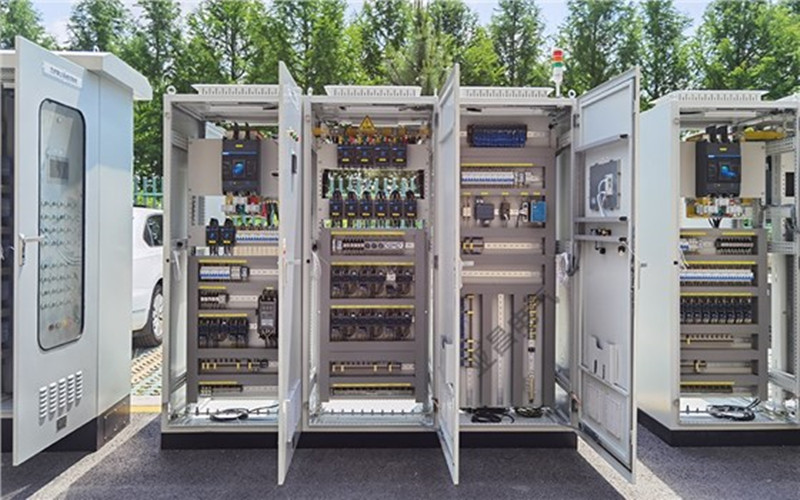
The PLC (programmable logic controller, PLC panels, called “plc”) enclosure is a crucial component when building a PLC panel. It protects the PLC system from environmental hazards, including dust, moisture, and extreme temperatures. The PLC enclosure box ensures that sensitive electronic components within the cabinet remain operational and secure. The choice of enclosure depends on the application environment. NEMA 4 or NEMA 4X enclosures are ideal for harsh settings due to their watertight and corrosion-resistant properties. NEMA 12 enclosures are better suited for indoor use, protecting against falling dirt and noncorrosive liquids.
The PLC enclosure should also facilitate maintenance with an organised internal layout and secure locking mechanisms. Customisation options, such as screen printing or laser engraving, can be added to meet specific needs. By selecting the correct PLC enclosure box, you ensure your cabinet operates efficiently and reliably, even in demanding conditions. This protects the investment in the PLC system, enhancing performance and longevity. Proper enclosure selection is vital for maintaining system integrity and ensuring continuous operation.
Cabinets are often regarded as low-tech auxiliary equipment in automation control systems and can easily be overlooked. However, cabinets serve as crucial containers for PLCs, inverters, and other electrical devices, protecting them from external interference and preventing operators from accessing hazardous components. Their selection is critical. This article will examine the factors to consider when selecting the ideal cabinet for an automatic PLC control system.
2. Consider the Load Capacity of the PLC Cabinets/panels to achieve cost-effectiveness
Types of Components of programmable logic controller plc Panels:
ü PLC Unit: The brain of the control system that processes inputs and outputs.
ü Power Supply: Supplies electricity to the PLC and other components.
ü I/O Modules: Interfaces that connect the PLC to sensors and actuators.
ü Terminal Blocks: Used for connecting wires.
ü Wiring: Connects all components within the panel.
ü HMI (Human-Machine Interface): Allows operators to interact with the PLC.
ü Circuit Breakers and Fuses: Provide overcurrent protection.
ü Relays and Contactors: Control high-power devices.
3. Designing the PLC Cabinet Layout and Load Capacity
Before you start assembling, you need a solid design. This involves planning the layout and ensuring all components fit within the PLC enclosure.
Designing the PLC Cabinet Load Capacity
ü As the density of equipment inside the cabinet increases, so do the requirements for load-bearing capacity. The cabinet must be able to support heavy equipment during installation and operation. A load capacity of over 1000 kg is a standard for high-quality cabinets.
ü In typical automation control applications where only PLC equipment is housed, a load capacity of 600 kg is usually sufficient. However, cabinets that accommodate heavier devices, such as inverters and reactors, should specifically consider the load-bearing capacity of the mounting plates. Heavy-duty mounting rails can create a more robust installation platform if necessary.
4. Optimised Control Panel Design Guide for Efficient Electrical & Industrial Control Panels
A well-planned control panel design is crucial for the automation, safety, and efficiency of industrial applications. Whether you’re working on electrical panel design for power distribution or industrial control panel design for automation systems, following best practices ensures reliability and ease of maintenance. The following are key considerations for designing an effective electrical control panel.
4.1 Size and Shape Considerations for Control Panel Design
The dimensions of your enclosure must accommodate all electrical components while allowing sufficient space for wiring and ventilation.
ü Standard Cabinet Sizing:
² Height: At least 1800 mm to fit PLCs, inverters, and automation equipment.
² Width: Between 600 mm and 1200 mm for proper component spacing.
² Depth: 600 mm to 800 mm to ensure adequate space for wiring and cooling.
ü Specialised Configurations:
For industrial control panel designs with multiple instruments (e.g., in-process control), consider double-door cabinets with dual mounting plates, which are more accessible than single-door designs.
4.2 Strategic Electrical Components Placement in Electrical Panel Design
The layout improves functionality and serviceability:
Position PLCs and I/O modules centrally for shorter wiring runs.
Install power supplies and circuit breakers in easily accessible locations.
Ensure proper spacing for heat dissipation in high-power electrical control panel design.
4.3. Efficient Wiring Routes for Industrial Control Panel Design
ü Use dedicated wire ducts to organise cables and prevent interference.
ü Separate high voltage and low voltage wiring to minimise noise and safety risks.
ü Plan for future expansions by leaving extra space for additional electrical components.
4.4. Clear Labelling for Maintenance & Troubleshooting
Label all terminals, wires, and components for quick identification.
Use colour-coded wiring for different voltage levels (e.g., red for AC power, blue for DC).
Include schematics and layout diagrams inside the panel door for easy reference.
Conclusion: Best Practices for Control Panel Design
A well-executed control panel design ensures safety, efficiency, and scalability in electrical and industrial control panel designs. By optimizing size, component placement, wiring, and labeling, you can design a durable and maintenance-friendly electrical control panel that meets industry standards.
5. PLC Control Cabinets Panel Assembly
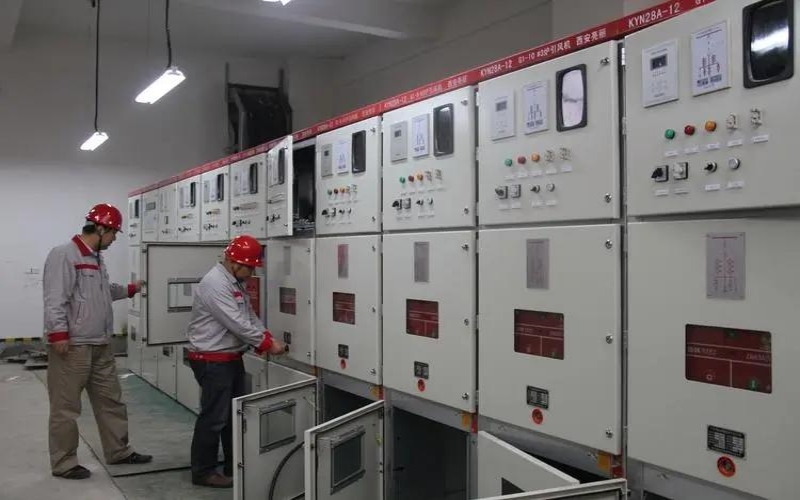
When your cabinet design is finalised, the next crucial step is the control panel assembly process. Proper panel assembly ensures reliable operation, organised wiring, and secure component mounting. Follow these structured steps for a seamless control panel assembly.
Key Steps in Control Panel Assembly
I will mount the Back Panel
Secure the back panel inside the enclosure. It is the foundation for panel assembly, where most components will be installed.
Install the PLC
Position the PLC in a central location within the control panel assembly for optimal accessibility and wiring efficiency.
Mount I/O Modules
Place input/output modules near the PLC to minimise wiring distance, improving the panel assembly layout.
Attach Terminal Blocks
Organise terminal blocks logically to streamline connections during control panel assembly, reducing clutter and maintenance time.
Install the Power Supply
Ensure the power supply is easily accessible and well-ventilated within the panel assembly for safety and cooling efficiency.
l Position Circuit Breakers & Fuses
Place circuit breakers and fuses in an accessible spot within the control panel assembly for quick troubleshooting and replacement.
6.PLC Wiring diagram
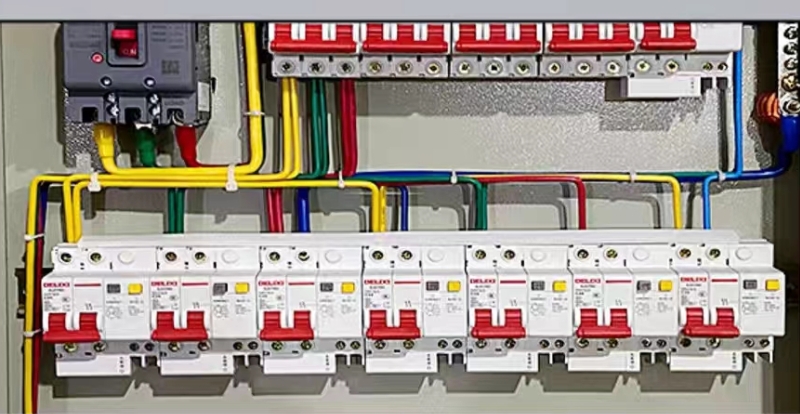
Proper wiring is essential for an effective control system, and creating a comprehensive Programmable Logic Controller (PLC) wiring diagram is the first step in this process. A well-structured PLC wiring diagram is a blueprint for your setup, ensuring that all connections are accurately planned and executed.
Steps for Effective PLC Wiring:
Creating a PLC Wiring Diagram: Begin by drafting a wiring diagram that outlines the connections between various components. This diagram is crucial for visualising how each part of the system interacts.
Cut and Strip Wires: Measure and cut wires to the required lengths, then strip the ends to prepare them for connections. This ensures clean and secure contacts.
Connect Components: Connect components according to the specified layout using your PLC’s control wiring diagram. Terminal blocks are typically used for these connections, providing a reliable interface for wiring.
Label Wires: Clearly label all wires using appropriate wire labels. This practice minimises confusion and reduces the risk of errors during installation and troubleshooting.
Test Connections: Verify each connection for continuity and correctness after all components are connected. This step is vital to ensuring that the control system functions as intended.
Secure Wiring: Use cable ties or ducting to secure all wiring neatly within the cabinet. A tidy layout improves aesthetics and facilitates easier maintenance in the future.
7. Finalising and Testing the PLC Control Cabinets
After assembly and wiring, the final steps involve conducting thorough checks and testing to ensure everything functions as expected.
Testing and Troubleshooting:
A. Visual Inspection: Check for loose components or wires and ensure everything is securely in place.
B. Power On: Apply Power to the cabinet and check for issues.
C. Test Inputs/Outputs: Verify that sensors and actuators respond correctly.
D. HMI Functionality: Ensure the HMI displays data and controls as intended.
E. Troubleshoot Issues: Address any faults or errors identified during testing.
8. Maintaining Your PLC Control Cabinet
Regular maintenance is key to the longevity and reliability of your PLC cabinet. Here are some tips:
1) Routine Inspections: Regularly check for signs of wear or damage.
2) Cleaning: Keep the enclosure clean to prevent dust accumulation.
3) Firmware Updates: Ensure the PLC’s firmware is up to date for optimal performance.
4) Documentation: Keep accurate records of any changes or repairs.
9. Key Tips:
9.1 Consider the PLC Cabinets’ Temperature Control System
The electrical devices inside the cabinet generate significant heat during operation, which, if not dissipated, can impact the performance of the equipment. Therefore, temperature control systems are essential. If the temperature difference between the interior and exterior of the cabinet is substantial, fans can be used to dissipate heat. An industrial environment, such as a water heat exchanger, is recommended for cooling if the cabinet generates considerable heat or if the temperature difference is minimal. Cabinet air conditioners can be used. These air conditioners operate independently of external environmental temperatures, ensuring the cabinet’s protection is not compromised in environments requiring high-temperature stability. In cold environments, installing heaters and thermostats is necessary.
9.2 Consider Dust, Water Resistance, and Corrosion Protection under very good Industrial Environments
Cabinets are often placed near production line equipment, in dedicated control rooms, or in various other environments, including those with harsh conditions such as metallurgy or mining, which have high dust levels. Once dust enters the cabinet, it can significantly impact the operation of PLCs, inverters, and other electrical devices within the cabinet. Thus, the cabinet’s protection rating is crucial, particularly its dust and water resistance (i.e., IP protection rating, which measures the cabinet’s ability to prevent water or dust from entering and ensuring the safe operation of internal devices). For indoor use, an IP55 rating is typically sufficient, as it strikes a balance between water and dust protection and cost efficiency.
A higher protection rating is required for outdoor installation, and rain shelters can be added if necessary. Additionally, corrosion resistance and UV protection should be considered. For example, Rittal’s CS series outdoor cabinets offer comprehensive solutions to meet these requirements.
When cabinets are used in coastal or port areas or industries such as petrochemicals and water treatment, they must have superior corrosion resistance. In such cases, the cabinet’s coating process is crucial. High-quality cabinets should have the following coating characteristics:
Removal of grease and dust;
Nanoceramic coating for protection, replacing outdated phosphating processes that were energy-intensive and environmentally harmful;
primer to enhance corrosion resistance;
Powder coating for adequate protection.
9.3 Consider Electromagnetic Compatibility
The automation control industry has specific requirements, such as EMC (electromagnetic compatibility) shielded cabinets, which are suitable for environments with high-frequency electromagnetic interference. In demanding environments, such as nuclear power plants, seismic cabinets are required for industries with stringent hygiene standards, such as the food and pharmaceutical industries. The control cabinet must be made of stainless steel with a sloped top. These cabinets should be designed without hygiene dead spots and be easy to clean.
The cabinet should not retain water or dirt when used with equipment that uses high-pressure and high-temperature water. There are various standards and certifications for cabinets. In Europe, certifications include IEC, DNV, TüV, and VDE. In North America, cabinets typically require international certifications, such as CSA and UL/cUL certifications.
Additionally, specific industries require specialised certifications, such as Lloyd’s Register certification for marine equipment. Explosionproof cabinets require certification according to the appropriate explosion-proof rating.
9.4 Ensure Ease of Maintenance and Accessibility
A well-designed cabinet should include a wide range of various accessories, such as lighting, multiple types of locks, and different perforated mounting rails. Comprehensive planning is essential, with clear component layouts and labelling. The control cabinet should have sufficient space to ensure the operator’s safety and convenience. This provides the cabinet’s compatibility with various control systems and application environments.
By considering these factors, the selection of a PLC cabinet can be optimised for performance, protection, and long-term reliability across various industrial applications.
For more PLC hardware and electrical enclosures, please refer to the link:
1. PLC
2. HMI
3. DCS