1. Introduction to Siemens PLC
1.1 Overview of Siemens PLC
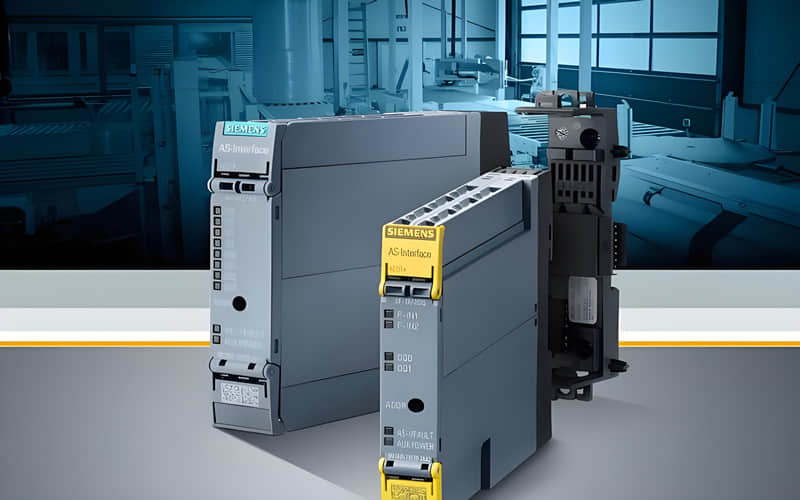
Siemens PLC systems are part of the Siemens Simatic S7 series. They are some of the most advanced programmable logic controllers in the world. These Siemens PLC models, such as the S7 1200, S7 1500, and S7-200, offer robust, flexible automation solutions. They work well in many industrial settings.
Engineers design Siemens PLC processors for real-time process control, offering superior performance in industriellen Automatisierung (industrial automation). They support advanced features such as motion control, analog inputs, and digital I/O. This ensures precise monitoring and control in production systems.
TIA Portal software simplifies Siemens PLC programming for beginners by providing a comprehensive engineering environment for configuration, diagnostics, and visualization. TIA Portal brings together PLCs, Siemens HMIs, and drive systems into a single platform. This allows for complete transparency and efficiency in modern Industrie 4.0 settings.
These systems demonstrate Siemens’ commitment to speicherprogrammierbare Steuerung (SPS) technology—German for programmable logic controllers—combining hardware durability with intelligent automation for smart manufacturing.
1.2 What Is the Function Module in Siemens PLC?
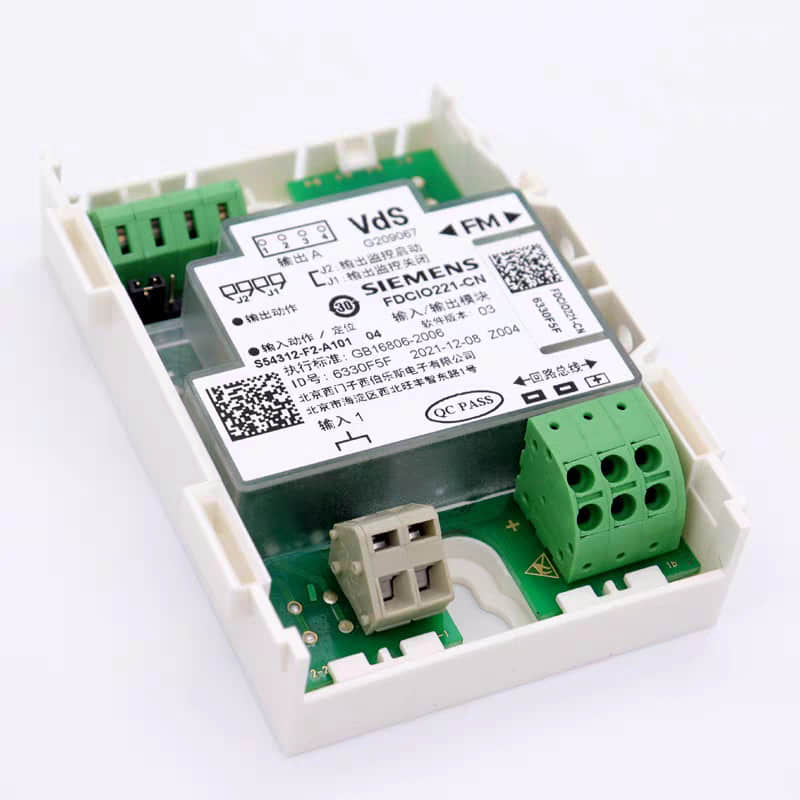
A function module (FM) in a Siemens PLC system extends beyond simple input/output functionality. Each module works on its task without needing the main CPU. This helps balance the processor's workload and improve performance.
In the Siemens Simatic S7 series, there are many FMs available. These include FMs for the Siemens S7-1200, S7-1500, and S7-200 PLCs. They enable flexible expansion for applications that require motion, communication, or fast data processing.
This modular approach lets engineers design custom systems for their specific processes, maximizing control accuracy and scalability in industrial environments.
2. Types of Siemens PLC
2.1 Siemens Simatic PLC
The Siemens SIMITIC family is a versatile and powerful PLC platform for modern automation. The range includes the Siemens S7-1200, S7-1500, S7-200, and S7-300. Designers create each model for different performance levels and scalability needs.
Engineers gain from close integration with Siemens HMI interfaces, SCADA systems, and TIA Portal software. This software offers easy tools for configuration and PLC programming. These Siemens PLC models support advanced process control applications across manufacturing, utilities, and building automation—making them essential components of Industrie 4.0.
2.2 SIMATIC S7-1200 G2 – The Wise Choice for Basic Automation
The SIMATIC S7-1200 G2 (also known as Siemens S7-1200 or Siemens 1200) is ideal for small- to mid-sized automation tasks. Compact yet powerful, it offers analog inputs, high-speed counters, and pulse outputs for precise process control.
With integrated PROFINET communication and input/output flexibility, the S7-1200 ensures reliable control for building automation, packaging lines, and machine operations. Engineers can program it easily using TIA Portal, simplifying design, diagnostics, and data handling within the programmable logic controller (PLC) ecosystem.
Siemens A5E02625805-H2 SIMATIC PC power supply component
2.3 Siemens PLC S7 1500
The Siemens S7-1500 is the flagship of the Siemens S7 family. Built for advanced industrielle Automatisierung, it offers lightning-fast processing, integrated safety, and robust cybersecurity.
The S7-1500 PLC is key to Industrie 4.0. It can manage complex motion control, real-time process control, and extensive plant management. It integrates seamlessly with the TIA Portal environment, providing unified engineering across PLC, HMI, and drives.
This controller has a modular design. It supports many input and output options, communication interfaces, and software tools. This makes it a reliable choice for manufacturers seeking strong performance, security, and scalability.
https://www.ymzdcs.com/product/siemens-plc/siemens-6sl3040-1la00-0aa0-drive-unit/
2.4 Siemens LOGO PLC
The Siemens LOGO is a compact, cost-effective controller for simple automation needs. With its intuitive programming interface, it’s perfect for beginners and small machine-control applications.
Its modular design makes it easy to expand. It works well with Siemens HMI and TIA Portal. This allows connections in small automation networks. Perfect for building management, lighting control, or simple process tasks.
2.5 Siemens S7-300
The Siemens S7-300 PLC remains a reliable and proven controller in the S7 series. It supports digital and analog expansion modules, communication processors, and various input/output options.
Widely used in manufacturing and infrastructure, the S7-300 provides stability, scalability, and long-term support. Its integration with TIA Portal and Simatic software ensures a consistent engineering workflow across PLC Systeme.
Some part numbers for your reference
SIEMENS 6ES7441-2AA05-0AE0 SIMATIC S7-400 Digital Output Module
3. Advantages of Siemens PLC
3.1 Reliability and Performance
Siemens PLCs are engineered for high reliability in demanding environments. The Siemens 1500 plc and siemens S7 plc have advanced CPUs and memory systems. They provide precise control and real-time performance for essential processes.
With Siemens PLC processors optimized for speicherprogrammierbare Steuerung, users experience fast data processing, efficient resource use, and continuous operation even under extreme industrial conditions.
3.2 Scalability and Flexibility
Siemens offers solutions for both small and large projects. You can use a simple Siemens LOGO PLC for basic tasks. For bigger facilities, a complex Siemens S7-1500 PLC network is available.
Siemens ensures its systems can grow with your needs. Its modular system design supports easy upgrades, enabling flexible adaptation to production needs.
The wide range of Siemens PLC models enables businesses to future-proof operations while maintaining cost efficiency. Each model supports multiple communication protocols, ensuring interoperability in modern Industrie 4.0 settings.
3.3 User-Friendly Programming Interfaces
Siemens revolutionized PLC programming with the TIA Portal, combining configuration, monitoring, and diagnostics into a single intuitive interface. Engineers can easily drag and drop, and program Siemens PLCs and HMIs—reducing engineering time and errors.
This simplicity makes Siemens PLC Programming easy for beginners. It also lets experts have full control over advanced customization. The system supports analog inputs and manages complex I/O.
It also makes data visualization easy. This helps streamline automation projects from design to deployment.
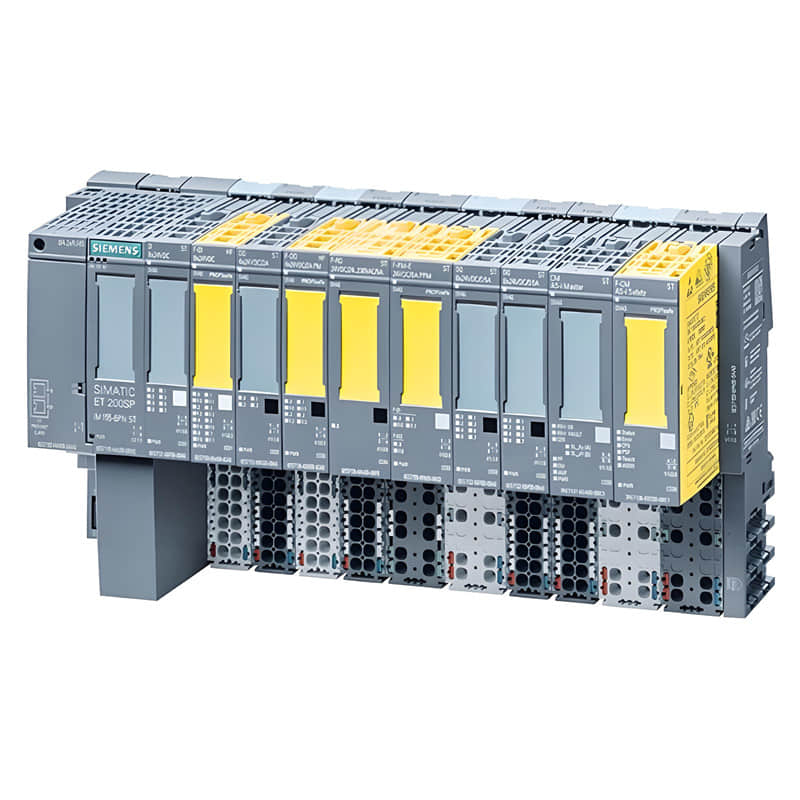
4. Siemens PLC vs. Allen Bradley and ABB
4.1 ABB vs. Siemens – Which Is Best in the Automation Industry?
Both ABB and Siemens lead in programmable logic controller (PLC) technology. ABB focuses on power and utilities. Siemens PLCs are strong in manufacturing, process control, and discrete automation. They work under the Industrie 4.0 framework.
Siemens Simatic S7 series products, supported by TIA Portal, offer unmatched integration and diagnostics, making them ideal for companies aiming to digitalize operations.
4.2 Which PLC Is Better for Process Control – AB or Siemens?
For process control, Siemens PLCs are well-known. The S7-1500 and S7-1200 are especially good. They are scalable, modular, and offer robust networking features. The Siemens Speicherprogrammierbare Steuerung (SPS) supports complex automation across global industries.
Allen-Bradley is exceptionally user-friendly in North America. However, Siemens leads in global markets. TIA Portal offers flexible PLC systems, integrated portal software, and robust diagnostic tools.
5. Real-World Applications of Siemens PLC
5.1 Industrial Automation
In industrial automation, Siemens PLCs control production lines, coordinate machinery, and ensure smooth operation. From automotive assembly to food processing, Siemens S7 PLCs deliver precise, real-time responses, reducing downtime and optimizing productivity.
Their integration with Siemens HMI and SCADA systems enhances visibility and efficiency throughout the system.
5.2 Manufacturing Sector
Siemens PLCs are at the core of modern manufacturing. They handle assembly lines, robotic systems, and process controls. The combination of S7-1500 performance, TIA Portal programming, and Siemens HMI visualization tools drives superior quality and operational flexibility.
5.3 Energy Management
For energy and utility sectors, Siemens PLC systems manage generation, distribution, and intelligent grid control. Their robust design supports continuous operation and precise process control, while integration with portal software enables predictive maintenance and efficiency optimization.
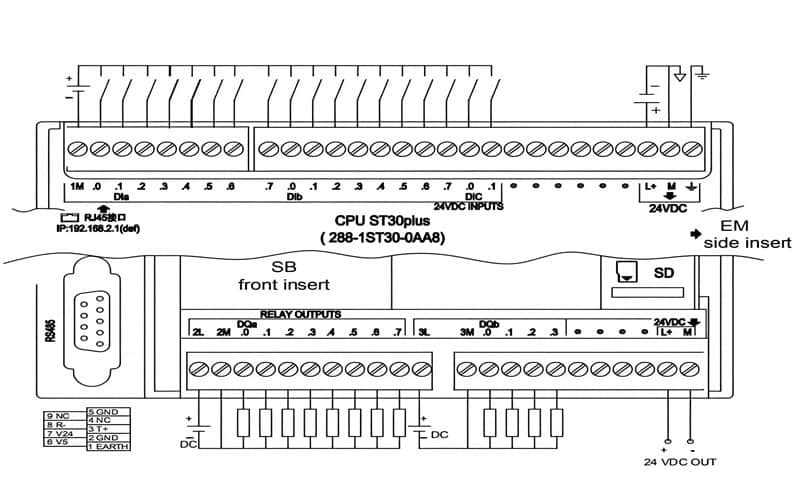
6. PLC Siemens Manual
For detailed technical specifications and setup information, consult the official Siemens manual and Siemens datasheets. These documents provide clear instructions for setting up, programming, and connecting all Siemens models. This includes the Siemens S7-1200 and S7-1500.
7. Getting Started with Siemens Industrial Automation
To begin with Siemens industrial automation, select the appropriate Siemens PLC model based on the application's size and complexity. Then use TIA Portal software to configure, program, and connect your system with Siemens HMI interfaces.
Explore Siemens’ extensive resources—manuals, tutorials, and training programs—to master PLC programming and system optimization. By adopting Siemens’ speicherprogrammierbare Steuerung (SPS) technology, businesses can streamline operations, enhance reliability, and confidently embrace Industrie 4.0 standards.
Back to the top, please refer to the link: siemens plc