1. Introduction to Siemens PLC Series
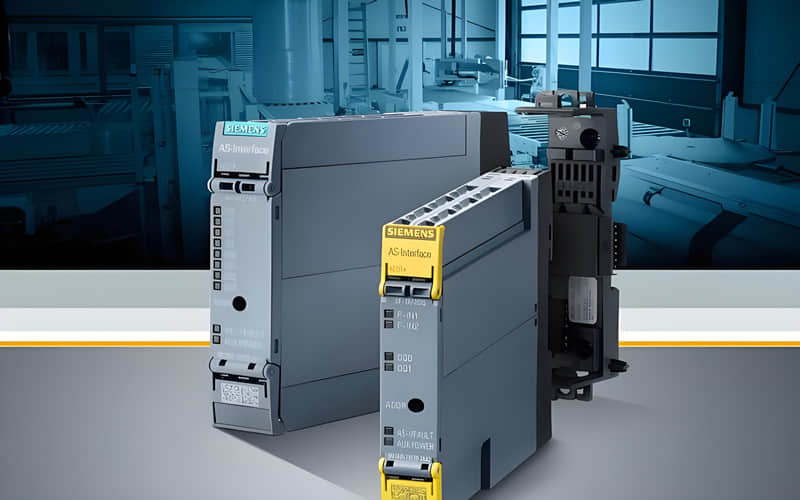
The Siemens SIMATIC S7 programmable logic controller (PLC) series forms the backbone of modern industrial automation. Developed by Siemens, these advanced controllers offer scalable, high-performance automation tailored for everything from compact machine control to complex, networked manufacturing lines.
Engineered for real-time process control, Siemens PLC processors support advanced features such as motion control, analog inputs, and high-density digital I/O. The Totally Integrated Automation (TIA) Portal software streamlines engineering by combining PLC configuration, HMI visualization, and drive systems into a single, unified environment.
Key Siemens PLC Families & Popular Order Numbers
SIMATIC S7-1200: Compact, modular controllers designed for entry-to-mid-level automation tasks with integrated PROFINET.
https://www.ymzdcs.com/product/siemens-plc/siemens-6sl3040-1la00-0aa0-drive-unit/
SIEMENS 6ES7441-2AA05-0AE0 SIMATIC S7-400 Digital Output Module
opular Order Number:
6ES7214-1AG40-0XB0(CPU 1214C DC/DC/DC)SIMATIC S7-1500: High-end modular controllers built for maximum performance, extensive motion control, and high-speed processing in complex plants.
Popular Order Number:
6ES7511-1AK02-0AB0(CPU 1511-1 PN)Distributed I/O Systems: Essential for expanding remote data collection and reducing cabinet wiring complexity.
Popular Order Number:
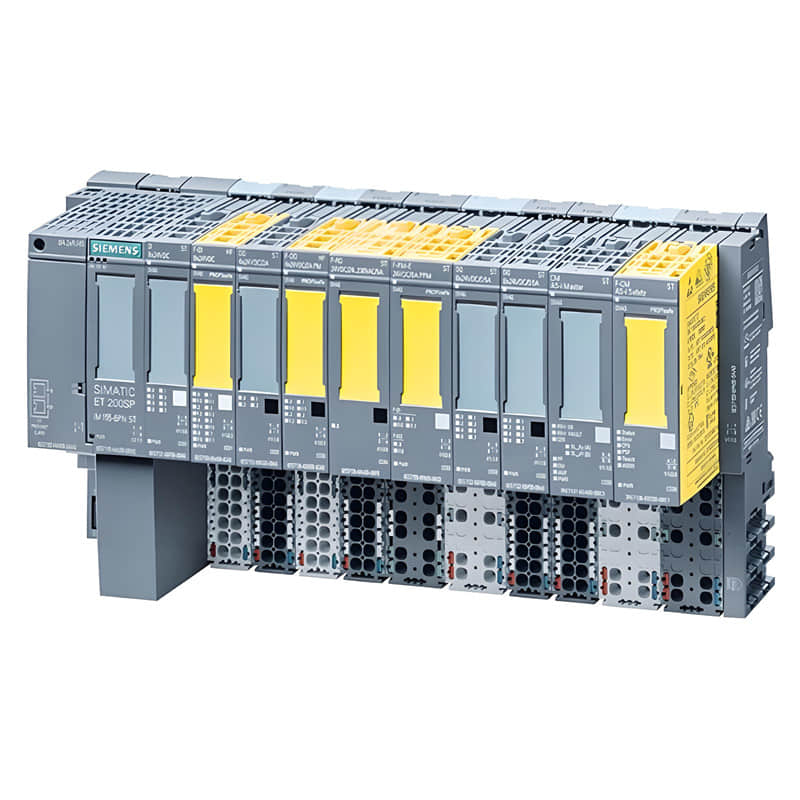
6ES7155-6AU01-0BN0(ET 200SP Interface Module)2. Types of Siemens PLC and Core Series
2.1 SIMATIC S7-1200 G2 (Basic Automation)
The SIMATIC S7-1200 series is ideal for small- to mid-sized automation tasks. Compact yet powerful, it features integrated analog inputs, high-speed counters, and pulse outputs for precise process control. Embedded PROFINET communication ensures reliable networking across packaging lines and machine operations.
2.2 Siemens S7-1500 (Advanced Performance)
As the flagship of the SIMATIC S7 family, the S7-1500 is engineered for advanced industrial automation. It delivers ultra-fast processing speeds, integrated safety functions, and robust cybersecurity. It handles complex multi-axis motion control and extensive plant-wide management with ease.
2.3 Siemens LOGO! & S7-300 Series
Siemens LOGO!: A compact, cost-effective micro-PLC designed for simple building management, lighting control, and small machine automation.
Siemens S7-300: A proven, highly stable legacy controller widely used in industrial infrastructure, supported by extensive digital/analog expansion modules.
3. Top Benefits of Siemens PLCs in Industrial Automation
3.1 Reliability and High-Speed Performance
Siemens PLCs feature optimized CPUs and robust memory architectures designed for continuous operation in harsh industrial environments. They deliver minimal scan times and real-time execution for critical control loops.
3.2 Scalability and Flexible Modular Design
Whether deploying a micro-PLC for a standalone machine or a distributed S7-1500 architecture for a smart factory, Siemens hardware scales seamlessly. Engineers can expand digital/analog I/O and communication modules without redesigning the core control cabinet layout.
3.3 Unified Engineering via TIA Portal
The TIA Portal platform integrates PLC programming, HMI screens, and network diagnostics into a single workspace. Supporting ladder logic, structured text, and function block diagrams, it significantly reduces engineering hours and configuration errors.
4. Siemens vs. Competitors: Market Positioning
4.1 Siemens vs. ABB
While ABB excels in power distribution, utilities, and heavy electrical infrastructure, Siemens holds a dominant position in discrete manufacturing, factory automation, and digital plant integration via the TIA Portal framework.
4.2 Siemens vs. Allen-Bradley (Rockwell Automation)
Allen-Bradley: Exceptionally popular in North America with a strong user-friendly ecosystem.
Siemens: A global market leader known for deep standardization, powerful diagnostic tools, and scalable PLC-to-drive integration across international manufacturing sectors.
5. Practical Engineering Insights for Procurement and Maintenance
Power Supply Sizing: Always calculate the total current draw of your CPU and expansion modules (e.g., SM signal modules) to prevent backplane bus overloads. Pairing modules with a robust Siemens SITOP power supply ensures stable 24V DC field performance.
Firmware Version Alignment: When sourcing replacement parts or expanding existing racks, verify that the CPU firmware version matches your TIA Portal project version to avoid online compatibility roadblocks during commissioning.
6. Conclusion
Siemens PLCs combine industrial durability, high-speed processing, and a unified software ecosystem. For plant engineers, system integrators, and procurement teams looking to optimize production cycles and future-proof their operations, investing in genuine Siemens automation hardware guarantees long-term reliability.
Need reliable, 100% original Siemens automation components or spare parts? We supply genuine industrial hardware with global shipping support.
For a complete overview of all Siemens automation solutions, check out our master guide:Siemens PLC Systems: Complete Selection, Programming & Technical Guide
Back to the top, please refer to the link: siemens plc